What We Do
M3 Agriculture Technologies delivers end-to-end pest management systems built for speed, precision, and sustainability. Our modular, X-ray–based Sterile Insect Technique (SIT) units, drone deployment platforms, and integrated pest management support provide a scalable framework for outbreak control and agricultural resilience. From modular fly rearing to aerial release, M3’s systems bring science, engineering, and field readiness together to protect livestock, crops, and ecosystems.
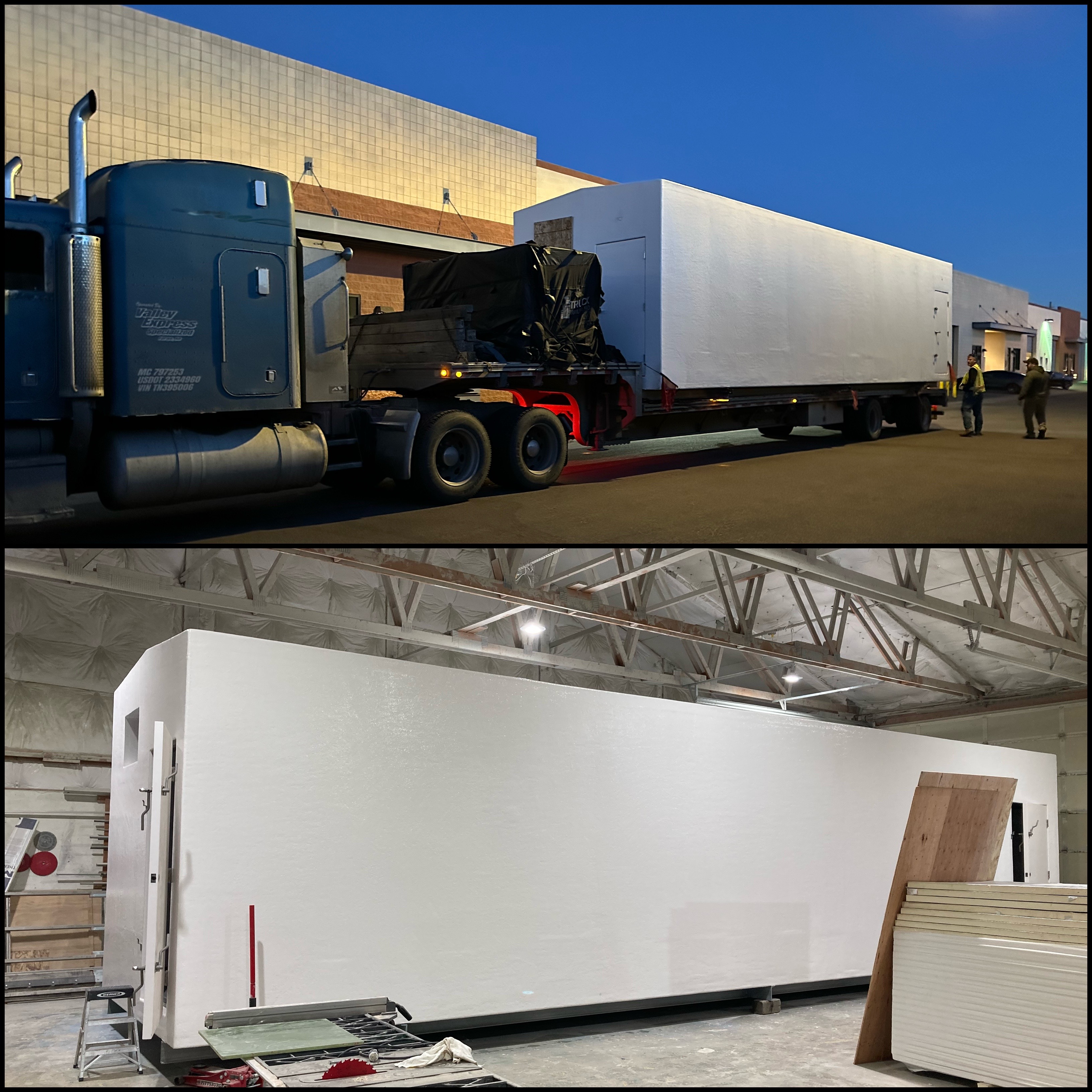
Modular Sterile Insect Technique (SIT)
Modular Sterile Insect Technique (SIT) systems from M3 Agriculture Technologies deliver rapid, isotope-free pest control at scale. Our prefabricated, field-ready modules for rearing, sterilization, and emergence can be deployed anywhere to contain outbreaks fast. Built in America and backed by science, these systems provide sustainable, precision-based solutions that protect livestock, crops, and ecosystems while advancing the next generation of biosecurity infrastructure.
Integrated Pest Management (IPM) Support
Integrated Pest Management (IPM) Support from M3 Agriculture Technologies delivers a holistic, eco-friendly approach to pest control. By combining drone-based Sterile Insect Technique (SIT) with traditional IPM strategies, we help growers reduce chemical inputs, protect beneficial species, and achieve better crop yields. Our data-driven solutions integrate seamlessly with your existing IPM program, maximizing efficiency, sustainability, and regulatory compliance.

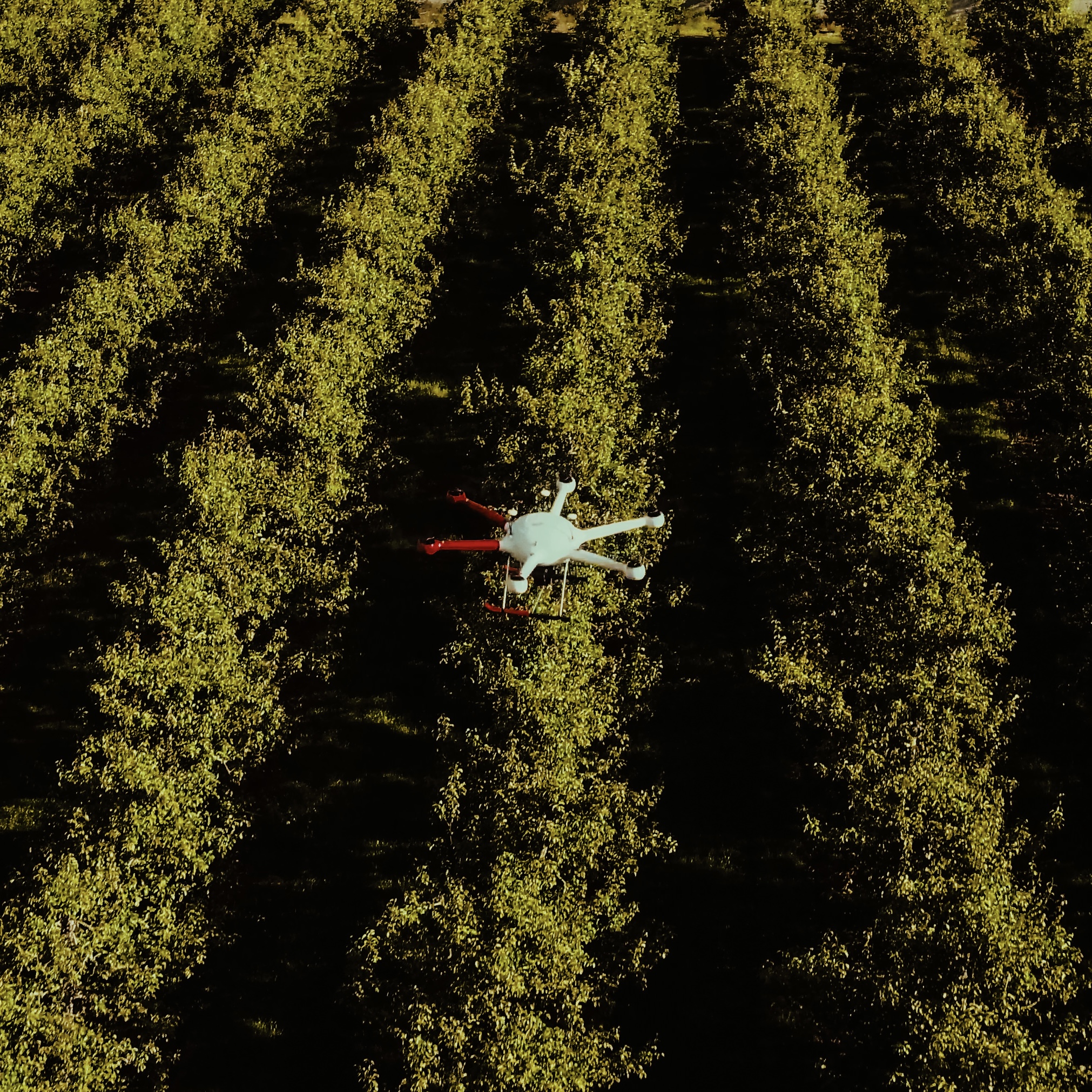
Drone-Based Sterile Insect Release (SIR)
M3 Agriculture Technologies is pioneering sustainable agriculture through its Sterile Insect Release (SIR) program. This innovative approach effectively manages codling moth populations by dramatically reducing crop damage while minimizing chemical pesticide use. M3 achieves a 40% higher recapture rate compared to ground releases using their Made in America Drone Technology, providing apple growers with a precision-driven, environmentally friendly solution for healthier orchards.
Why Choose M3?
M3 Agriculture Technologies integrates entomology with engineering to strengthen agricultural resilience across North America. Our field-deployable Sterile Insect Technique (SIT) systems establish operational capacity within weeks, replacing chemical pesticide use with controlled biological suppression. Developed in collaboration with the USDA, DOE, and international partners, M3 applies verified X-ray sterilization and drone-assisted dispersal to protect livestock, wildlife, and specialty crops. The result is a measurable reduction in chemical load, enhanced biosecurity, and a scalable framework to safeguard American agriculture.

New world screwworm fly
The New World Screwworm (Cochliomyia hominivorax) is a lethal parasite of livestock and wildlife whose larvae consume living tissue, inflicting severe wounds and economic loss. Decades ago, the Sterile Insect Technique (SIT) eradicated this pest from North America, demonstrating its effectiveness at scale. Today, M3 Agriculture Technologies leads a new generation of SIT—deploying modular, X-ray–based sterilization systems that can be operational within weeks. This modernized, chemical- and isotope-free approach delivers rapid, sustainable protection for ranching and agricultural operations across the Americas.
Codling moth
The codling moth is a major pest of apples, pears, and walnuts worldwide. Sterile Insect Release targets codling moth populations by releasing large numbers of sterile moths into orchards. These sterile insects mate with wild types, resulting in no offspring and a gradual decline in pest numbers. This eco-friendly method reduces reliance on pesticides and supports sustainable, residue-free fruit production.


Navel orangeworm
Navel orangeworm is a destructive pest impacting almonds, pistachios, and walnuts, leading to significant crop loss and quality issues. Using Sterile Insect Release, we release sterile moths that disrupt the reproductive cycle and lower pest populations. This targeted, chemical-free approach helps growers protect yields, meet export standards, and support sustainable, residue-free nut production.
Red palm weevil
The red palm weevil is a devastating pest of palm trees, causing extensive damage and tree mortality in orchards and landscapes worldwide. Our Sterile Insect Release program targets red palm weevil populations by releasing sterile adults, breaking the pest’s reproductive cycle. This innovative, eco-friendly approach offers sustainable protection for valuable palm crops and urban landscapes.

Recent Blog Posts
-

A New Opportunity for Apple Growers: USDA’s Regenerative Pilot Program Meets Codling Moth Sterile Insect Release
USDA’s Regenerative Pilot Program now supports Integrated Pest Management (NRCS Practice 595), including codling moth Sterile Insect Release for apple and pear growers. Learn what’s eligible, why it works, and how to get started with your local NRCS office.
-

Rapid Innovation and Permanent Capacity: America’s Two-Front Sterile Insect Technique Defense Against Screwworm
Confirmed U.S. Screwworm Case Sparks Urgent Push for Sterile Fly Capacity On August 04, 2025, health officials confirmed the first U.S. human case of New World Screwworm (NWS) in decades. A Maryland resident who had recently returned from Guatemala was diagnosed with the flesh-eating parasite. After breaking containment in Panama in mid-2023, the pest advanced
-

Modular Approach Cited by Secretary Rollins as Key Tool Against New World Screwworm
U.S. Secretary of Agriculture Brooke Rollins has identified rapid-deployment technologies—such as modular sterile fly units—as vital to bridging production gaps while a new $750 million domestic facility is built to combat the New World Screwworm. New World Screwworm (NWS), Cochliomyia hominivorax August 15, 2025 The New World Screwworm (NWS), Cochliomyia hominivorax, is a parasitic fly
-

Back to the Frontlines: Renewed Battle Against the New World Screwworm
The resurgence of the New World screwworm (Cochliomyia hominivorax) or NWS, in North America marks a pivotal moment in the region’s ongoing struggle to safeguard livestock, wildlife, and rural economies. Once considered a triumph of entomological science and international cooperation, the eradication of this devastating parasite is now under threat, demanding a rapid, coordinated response
-

The Codling Moth: A Global Pest
Scientific Name (Authority) Order: Family Common Name Cydia pomonella (Linnaeus, 1758) Lepidoptera: Tortricidae Codling Moth Codling Moth (Cydia pomonella) in Washington Apples The codling moth belongs to the family Tortricidae, which includes over 11,000 species commonly known as “leafrollers.” Many of these species are economically important pests like the oriental fruit moth (Grapholita molesta), an
-

USDA Funding Freeze Threatens Washington’s Specialty Crop Sector
A sweeping freeze on USDA conservation and organic funding is rattling Washington’s specialty crop industry—a vital sector renowned for its apples, pears, berries, grapes, and niche vegetables. The funding pause, part of a broader review tied to federal budgetary shifts and the 2022 Inflation Reduction Act, has put the sustainability and future innovation of the
-

A Natural Fit: How SIT Protects Organic Farms
In organic farming’s battle against orchard pests, the Sterile Insect Technique (SIT) offers a proven, pesticide-free solution. By releasing radiation-sterilized codling moth that mate with wild populations, SIT naturally reduces pest numbers while maintaining organic certification standards.
-

How Drones Make SIT Smarter and Faster
Drone-powered Sterile Insect Technique (SIT) is revolutionizing pest management in agriculture. This innovative approach combines mass-reared sterile insects with precise drone deployment systems, offering farmers a sustainable, chemical-free alternative to traditional pest control methods. The technology enables targeted distribution and efficient coverage of large areas.
-

Revolutionizing Orchard Management: Sterile Insect Technique
The Sterile Insect Technique (SIT) revolutionizes pest control by mass-rearing and sterilizing codling moths through gamma radiation before releasing them into orchards. This biological method disrupts pest reproduction cycles by overwhelming wild populations with sterile moths, offering sustainable pest management while reducing chemical pesticide use.
-

The Future of Agriculture: Where Drones, AI, and Biology Converge
Discover how drones, AI, and the Sterile Insect Technique are revolutionizing sustainable agriculture, enhancing efficiency, and promoting environmentally friendly practices.