

February 9, 2025
USDA Funding Freeze Threatens Washington’s Specialty Crop Sector
A sweeping freeze on USDA conservation and organic funding is rattling Washington’s specialty crop industry—a vital sector renowned for its apples, pears, berries, grapes, and niche vegetables. The funding pause, part of a broader review tied to federal budgetary shifts and the 2022 Inflation Reduction Act, has put the sustainability and future innovation of the state’s agriculture at risk.
A Critical Funding Pause
In 2022, the USDA earmarked up to $19.5 billion for conservation and organic programs, providing essential support to farmers adopting climate-smart practices and transitioning to organic production. Recent announcements, however, confirm that key funding pathways—including those for the Environmental Quality Incentives Program (EQIP), the Regional Conservation Partnership Program, the Conservation Stewardship Program , and the Partnership for Climate-Smart Commodities Pilot—are now suspended or delayed. In addition, two flagship organic initiatives—the $85 million Organic Market Development Grant and the $100 million Transition to Organic Partnership Program—are on pause.
“During the past several weeks, we have heard directly from countless farmers and food system stakeholders who have been told, without explanation, that their grant or contract payments have been paused or that they cannot be reimbursed despite a signed lawful contract. Until USDA honors its commitments, farms and rural jobs will continue to be threatened, even lost,” said Mike Lavender, NSAC Policy Director.
Impacts on Conservation and Organic Transition
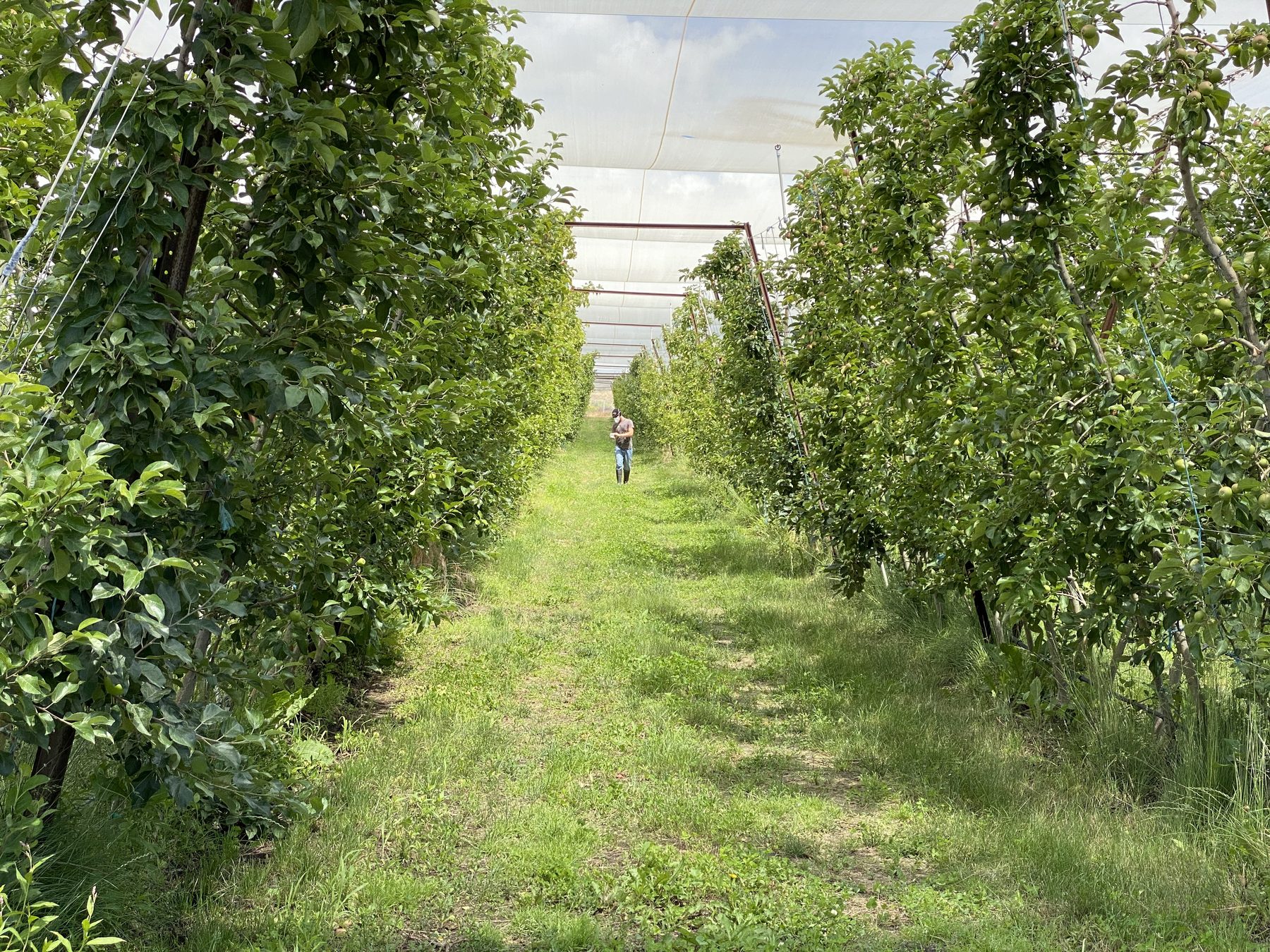
Washington’s specialty crop producers leverage these federal funds not only to enhance environmental practices but also to drive market access and research investments. The freeze impacts:
- Soil Health and Ecosystem Management: Programs like EQIP have financed advanced irrigation systems and soil conservation techniques critical for maintaining the quality of Washington’s orchards and high-value crop fields. The delay in disbursements is stalling these improvements.
- Technological and Infrastructure Investments: Specialty crop systems increasingly rely on modern agricultural technologies to monitor and optimize resource use. With funding on hold, investments in these innovations have ground to a halt, potentially slowing the state’s overall progress toward climate-smart agriculture.
- Organic Transition Setbacks: Small-scale producers transitioning to organic methods now confront financial gaps and increased market entry challenges. The suspension of key organic programs may leave growers scrambling to secure alternative sources of support, jeopardizing Washington’s long-standing reputation as a leader in sustainable agriculture.
Broader Economic and Policy Ramifications
The funding freeze underscores a deeper tension between federal fiscal constraints and the state’s commitment to environmental stewardship. With federal resources reallocated, state agencies and local stakeholders are exploring legal and regulatory measures to mitigate the fallout. Preliminary legal actions in Washington aim to challenge or reinterpret the frozen funds, while policymakers are calling for state-level interventions.
Strategies for a Resilient Future
Industry leaders are advocating for several measures to counterbalance the adverse impacts of the funding freeze:
- State-Level Interventions and Public-Private Partnerships: Proposals include emergency state funds and the creation of fiscal buffers to support affected producers. Collaborations between agribusinesses, cooperatives, and financial institutions could provide critical bridge financing.
- Alternative Funding Avenues: Local and regional development grants, community-supported agriculture models, and innovative digital financing platforms may help fill the funding void.
- Enhanced Extension and Advisory Services: By bolstering technical assistance programs and establishing state-sponsored digital hubs, Washington can ensure that growers receive real-time updates and expert guidance on navigating the current funding challenges.
Securing the Future of Washington’s Specialty Crops
The USDA funding freeze poses a significant challenge to Washington’s specialty crop sector. With conservation and organic programs in limbo, the stability of an industry crucial to the state’s agricultural economy is at risk. Immediate collaboration among stakeholders—policymakers, industry leaders, and growers—is essential to develop innovative solutions that address these challenges and safeguard the future of Washington’s agriculture.
Authorities and industry groups alike are now urging immediate action to restore funding flows and ensure that Washington’s farmers are not left to shoulder the burden of uncertainty alone.