

Your partner in Sterile Insect Technique pest defense.
SUSTAINABLE
PRECISION
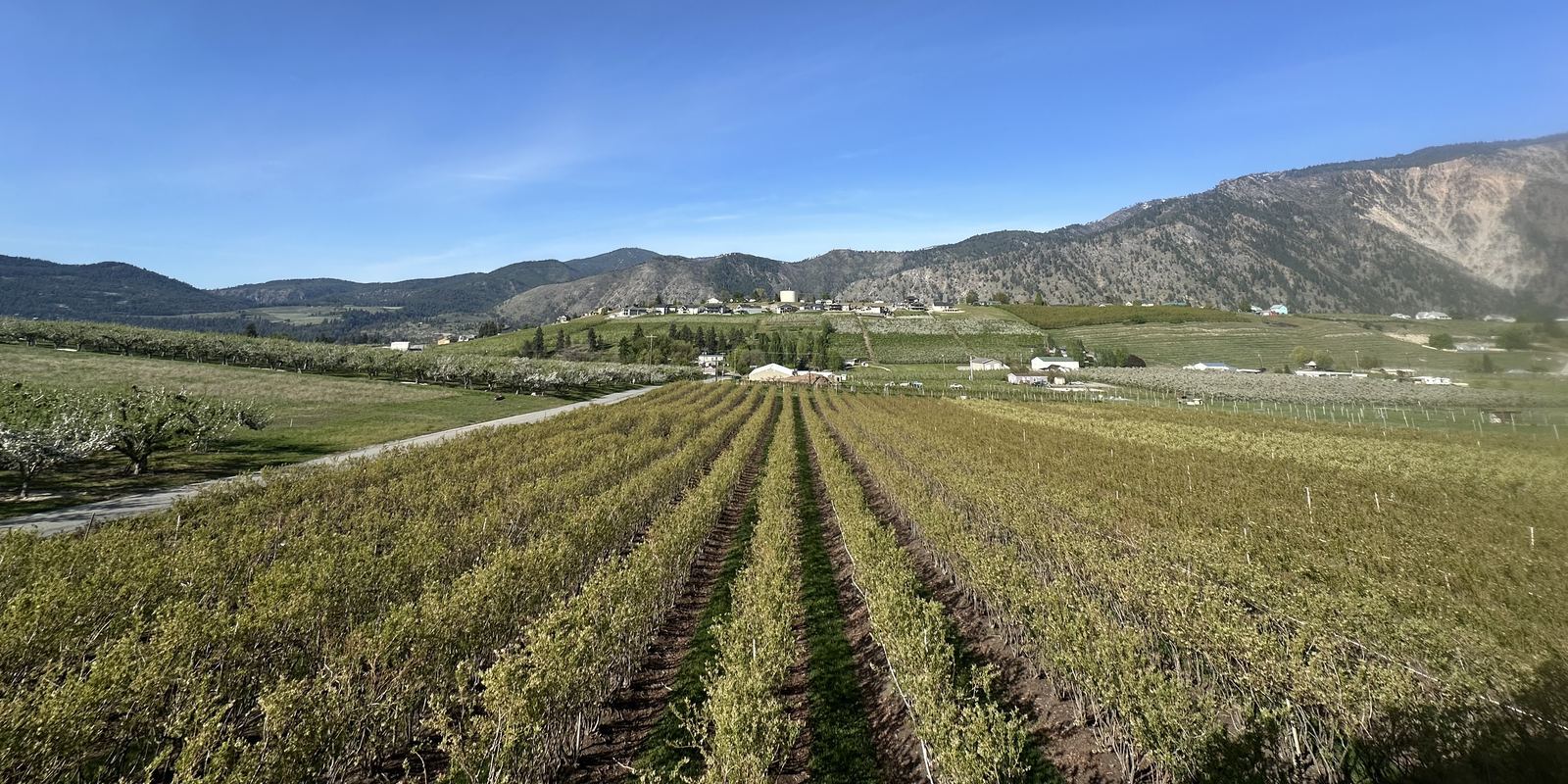
Sterile insects, not sprays: pest control for orchards and ranches
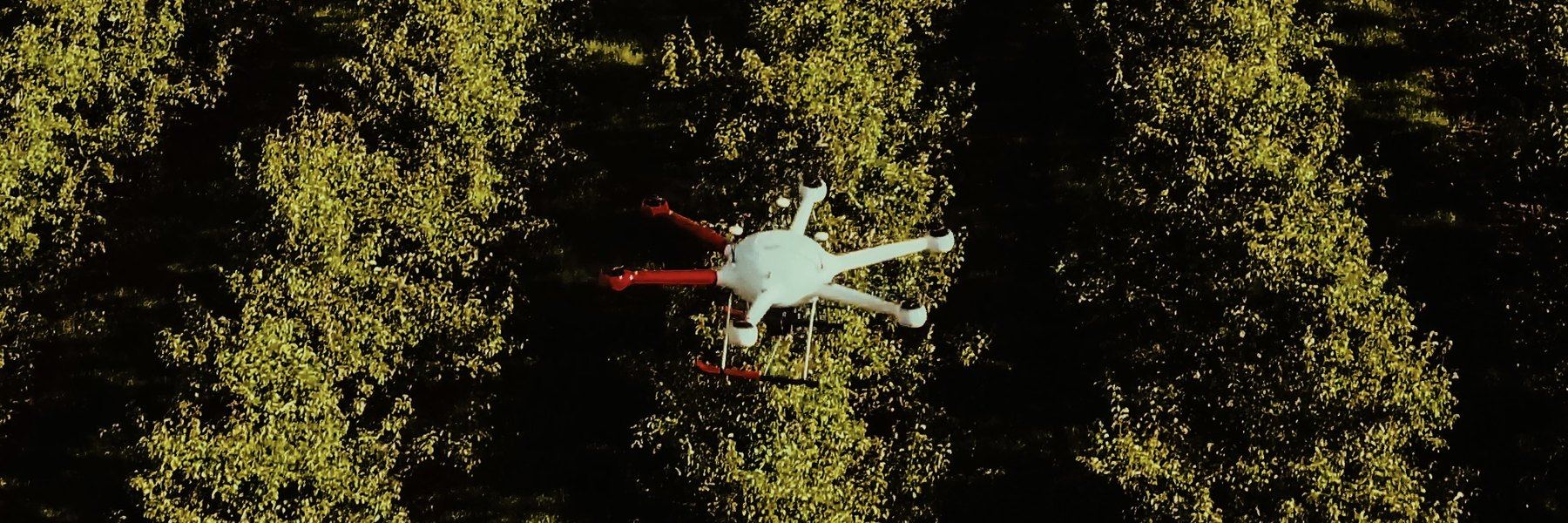
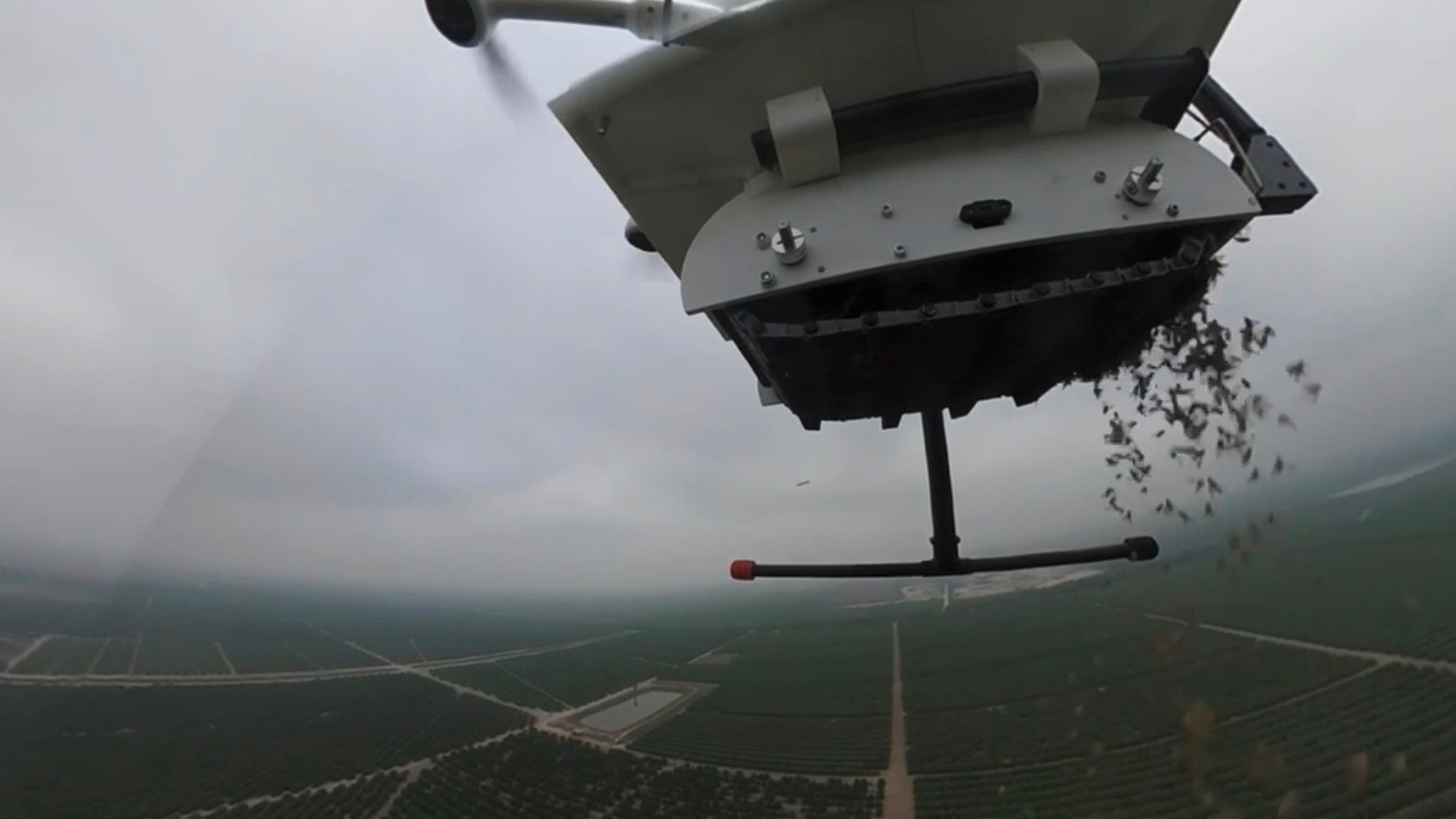
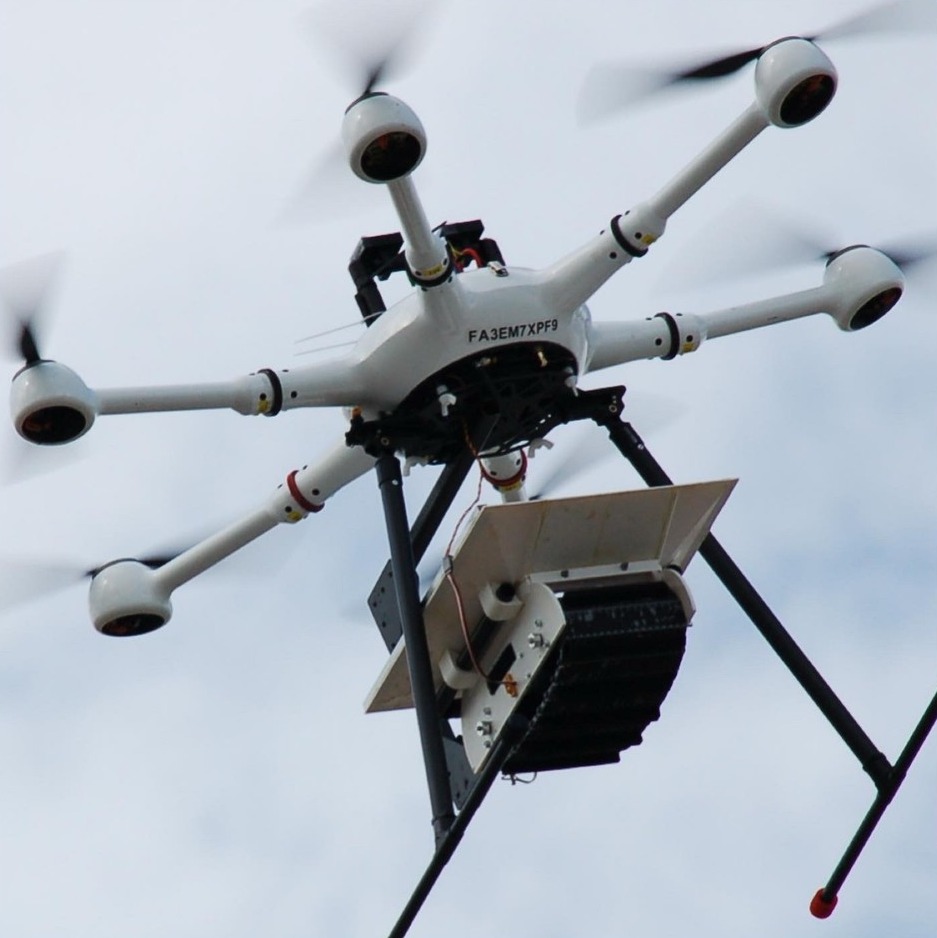
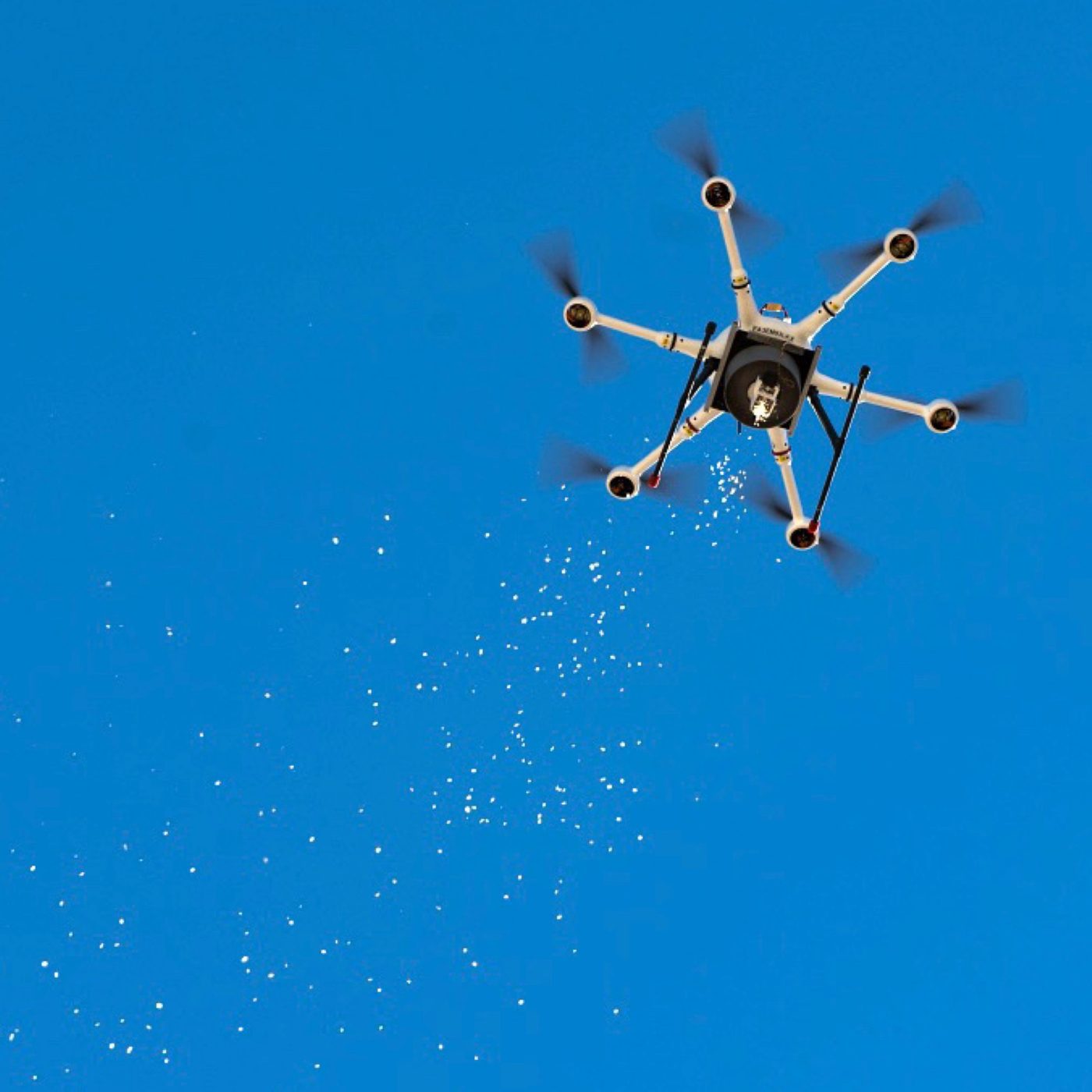
Area-wide sterile insect release across 5,057 acres a week in the 2026 season. Autonomous sterile codling moth release via drone.
2026 season, Washington
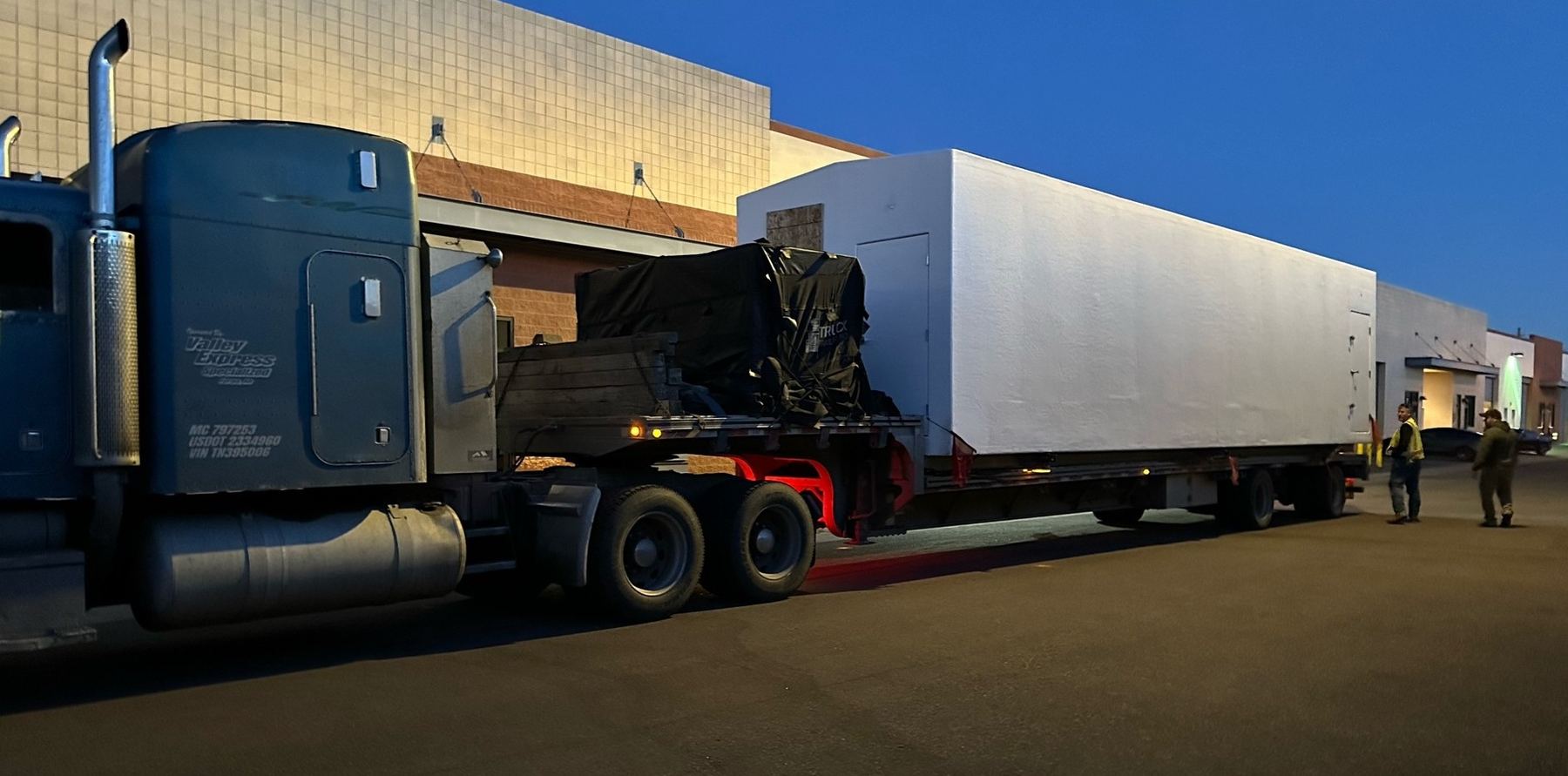
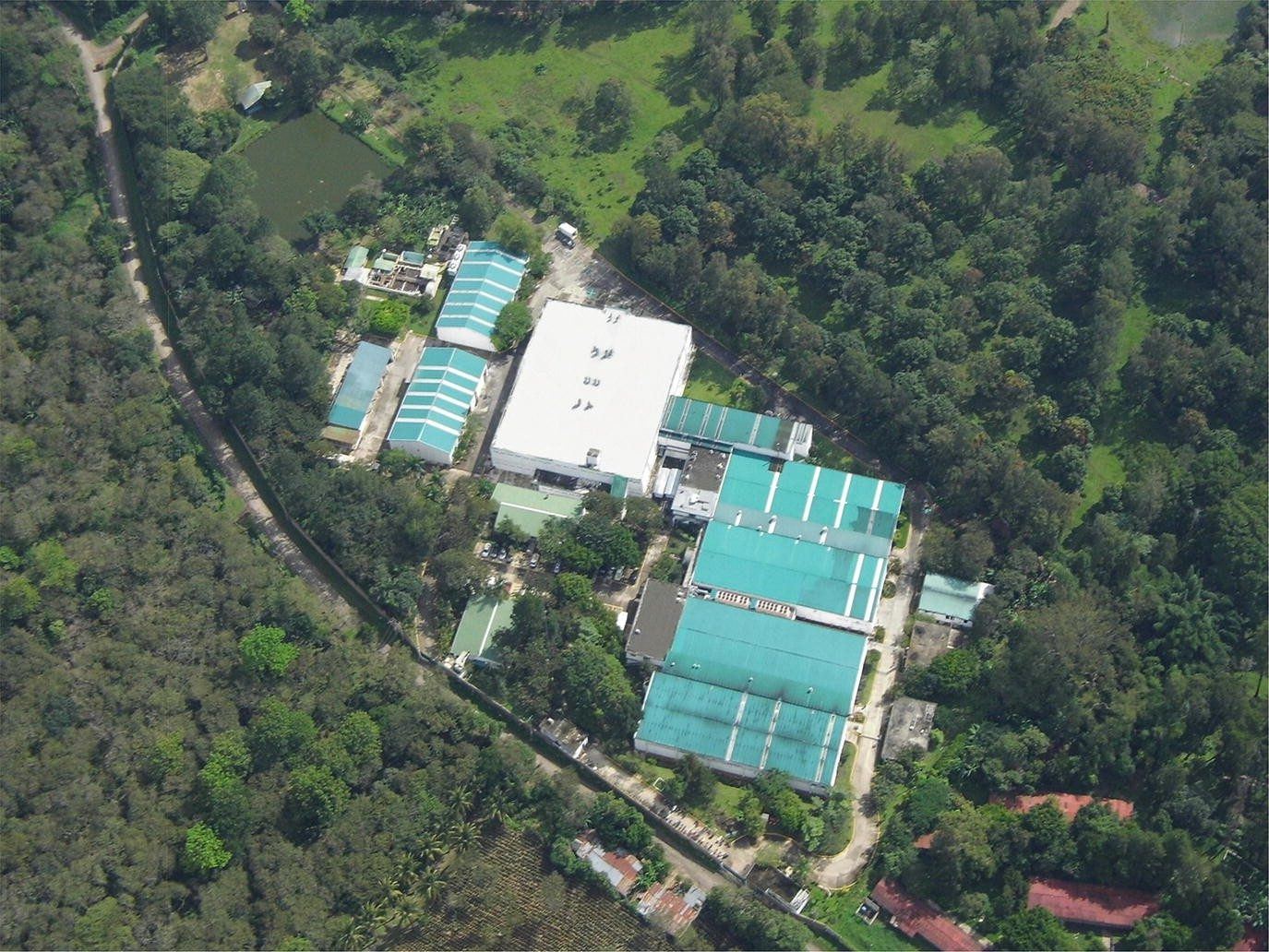
Sterile fly release protects cattle and wildlife. Thirty modules make a facility designed for 100 million sterile flies a week, without a cobalt-60 source.
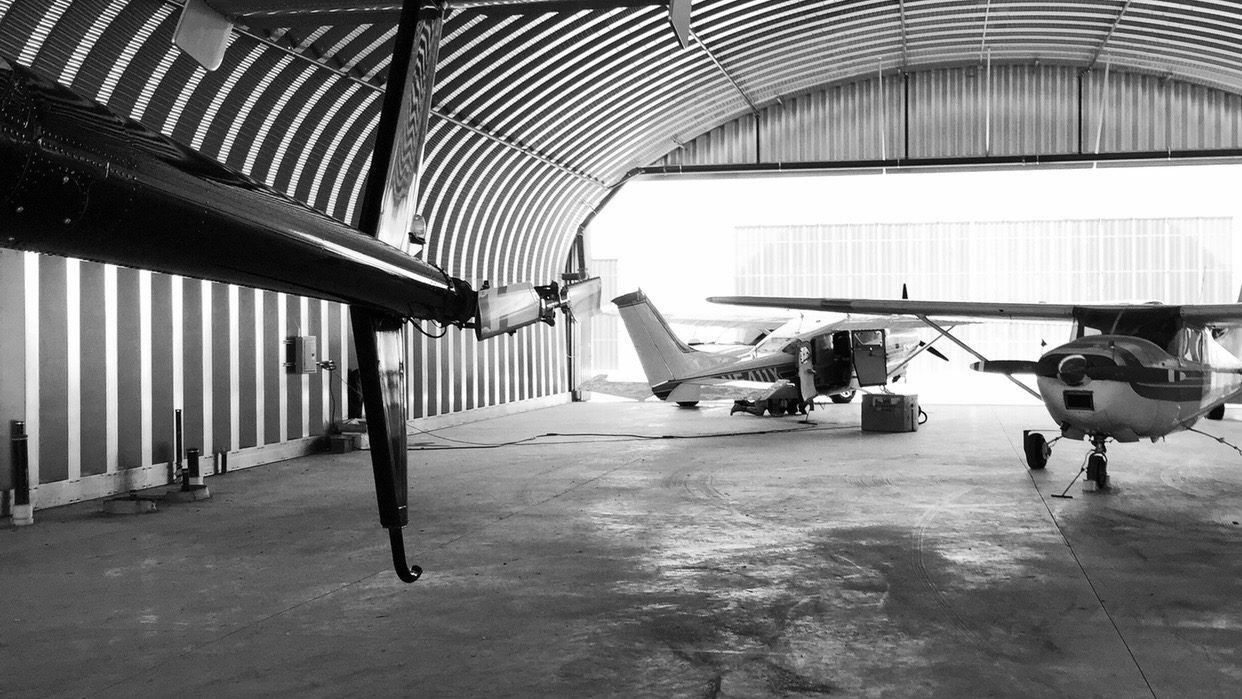
Modular facility design

What we do
M3 brings the sterile insect technique down to a smaller, more deployable scale.
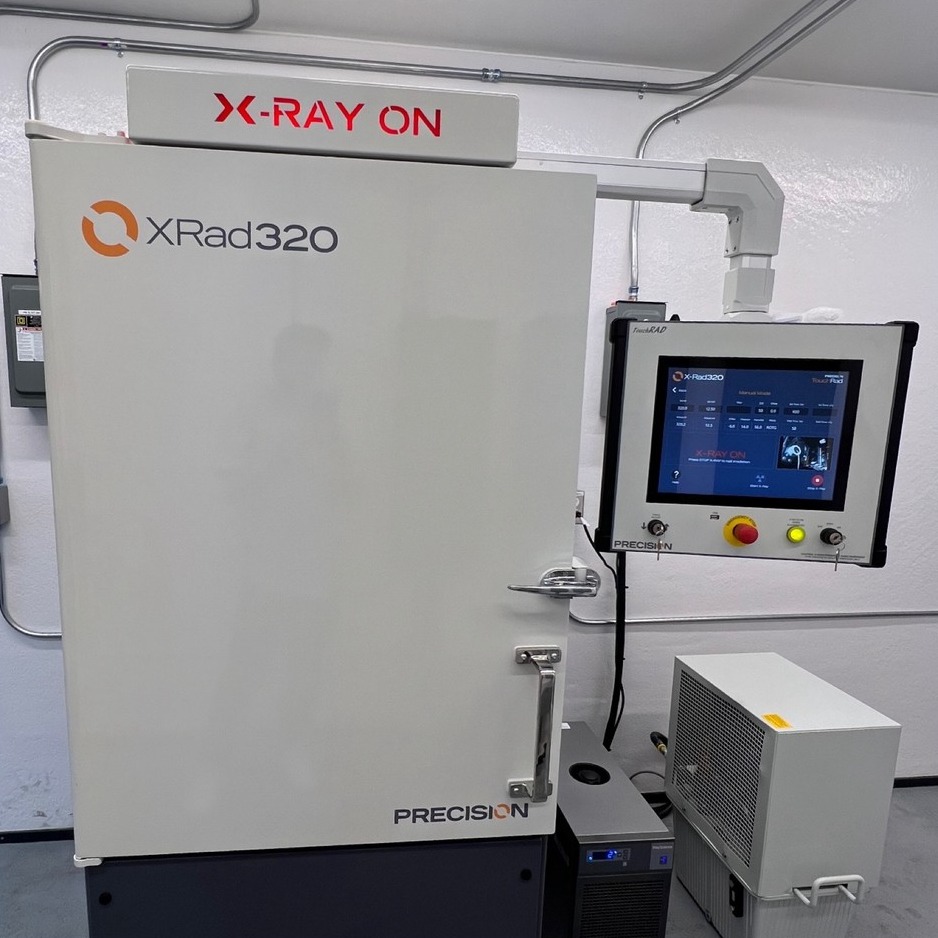
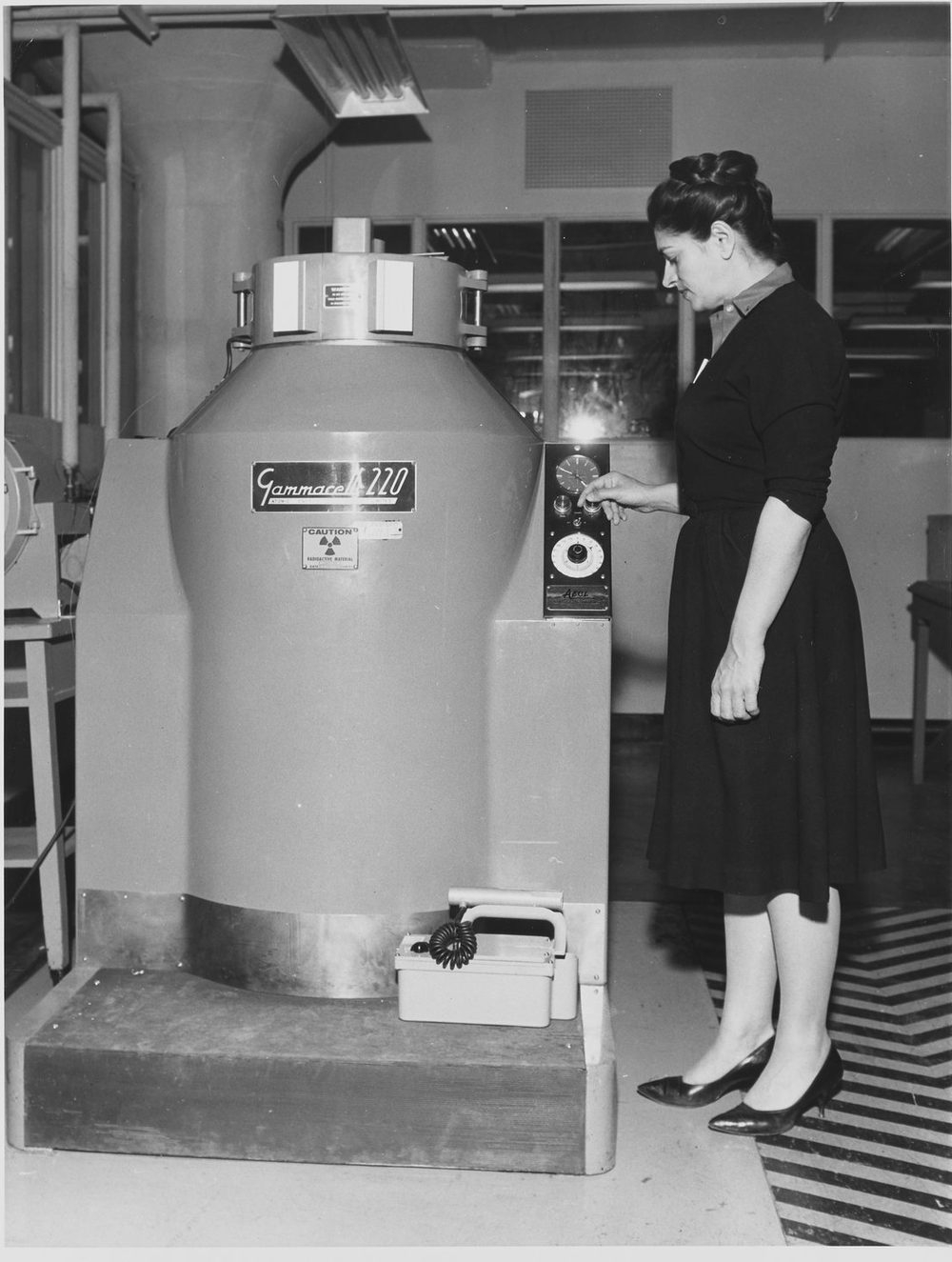
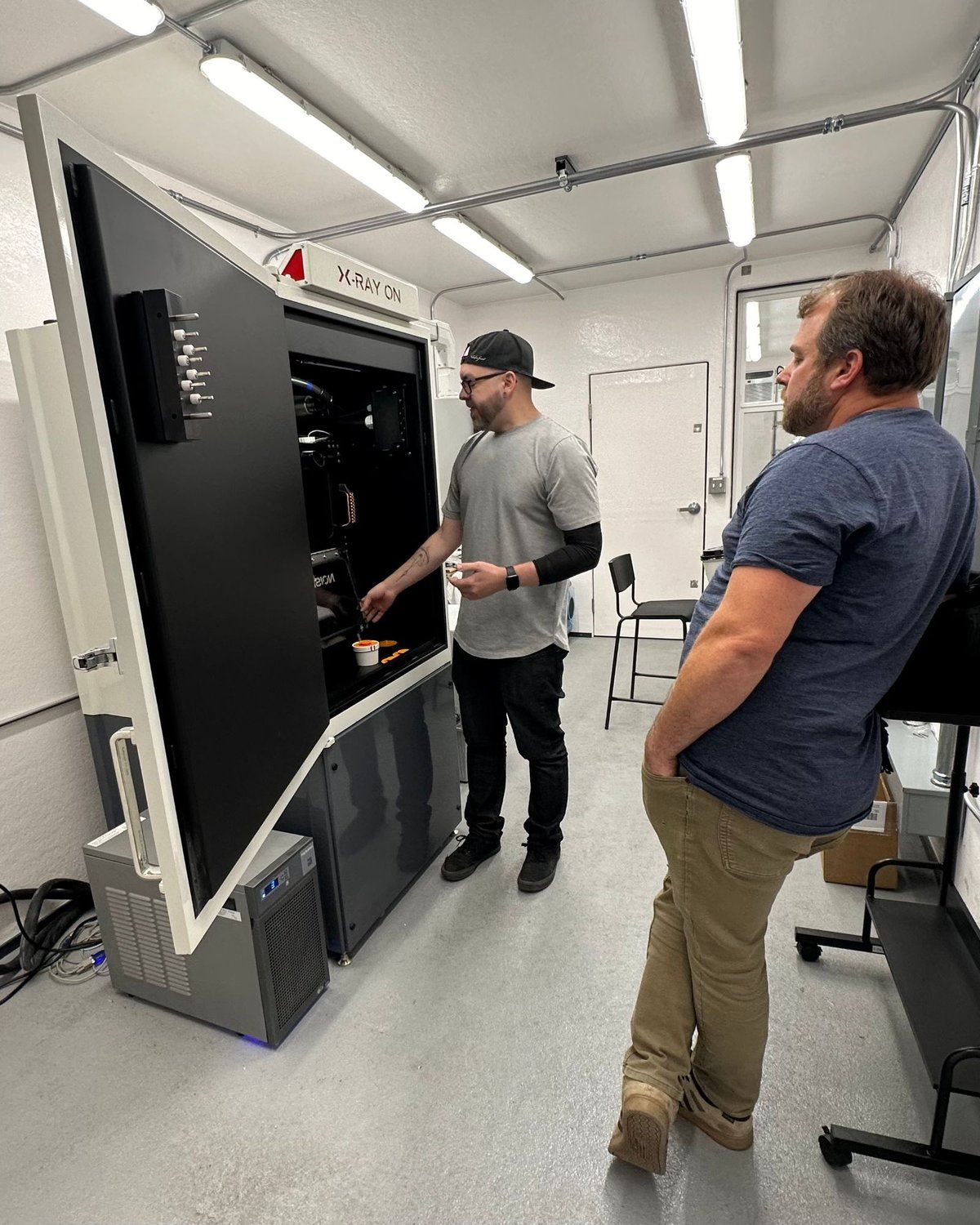
Gamma sources such as cobalt-60 are highly regulated and need extensive infrastructure to operate. M3 sterilizes insects with commercially available X-ray irradiators, so there is no radioactive source in the production chain.
Drones replace the large, complex aircraft that release programs have relied on. Drone release also recaptures 40 to 70 percent more moths than ground release.
Large rearing facilities take years to build. M3's prefabricated modules ship on a truck, so production can reach an outbreak within weeks.
Regenerative agriculture
Sterile insect release breaks the codling moth mating cycle without chemicals.
Area-wide release manages codling moth across the whole agricultural landscape, not one block at a time. Growers who layer it into their program can rely less on chemical controls.
Federal policy now points the same way. Executive Order 14414, signed on June 25, 2026, directs expanded federal investment in regenerative agriculture. It also supports technologies that reduce reliance on conventional chemical crop protection.
Washington holds 174,000 bearing apple acres, the largest apple industry in the country. Its growers are beginning to rethink how they manage codling moth.
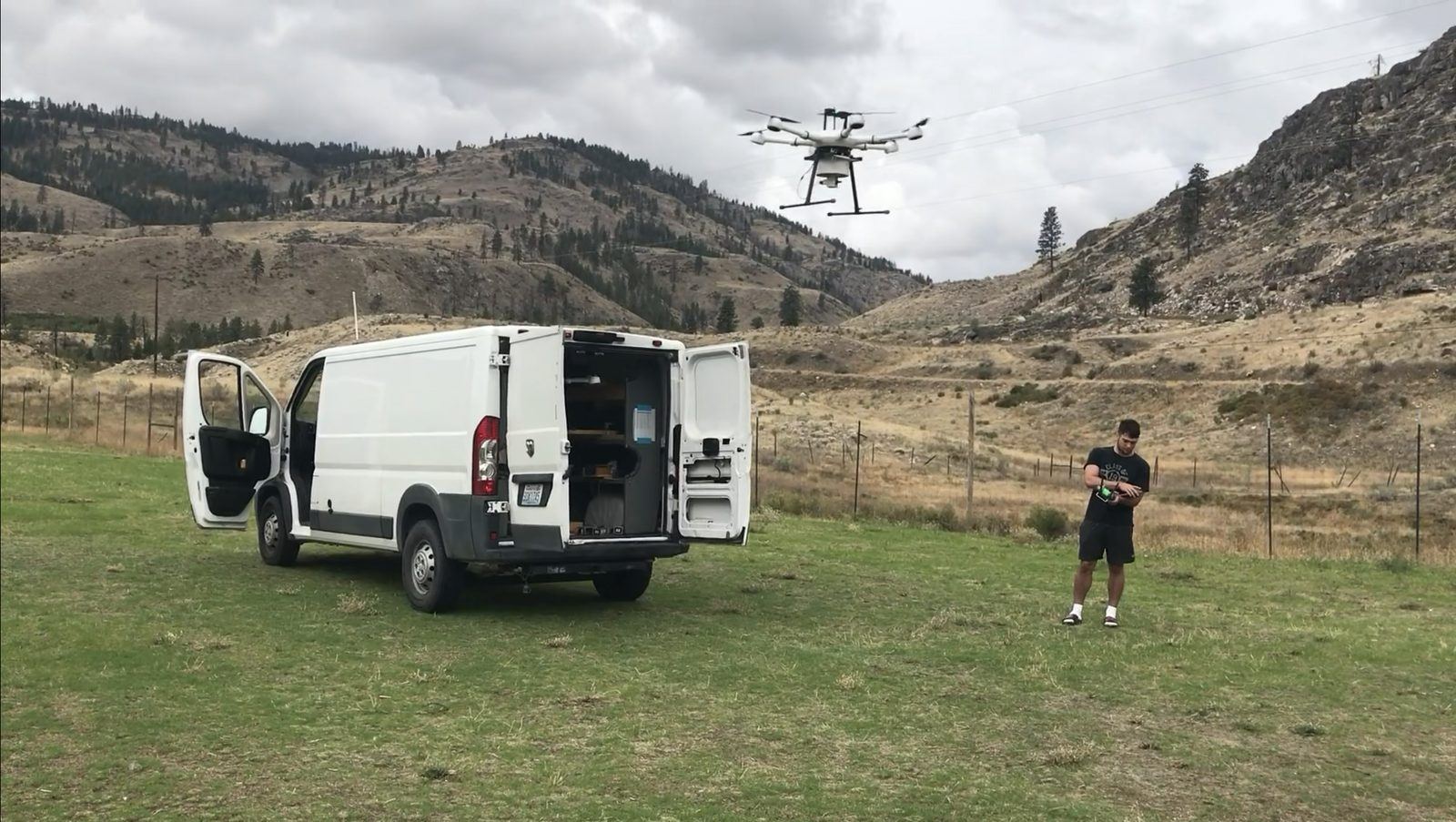
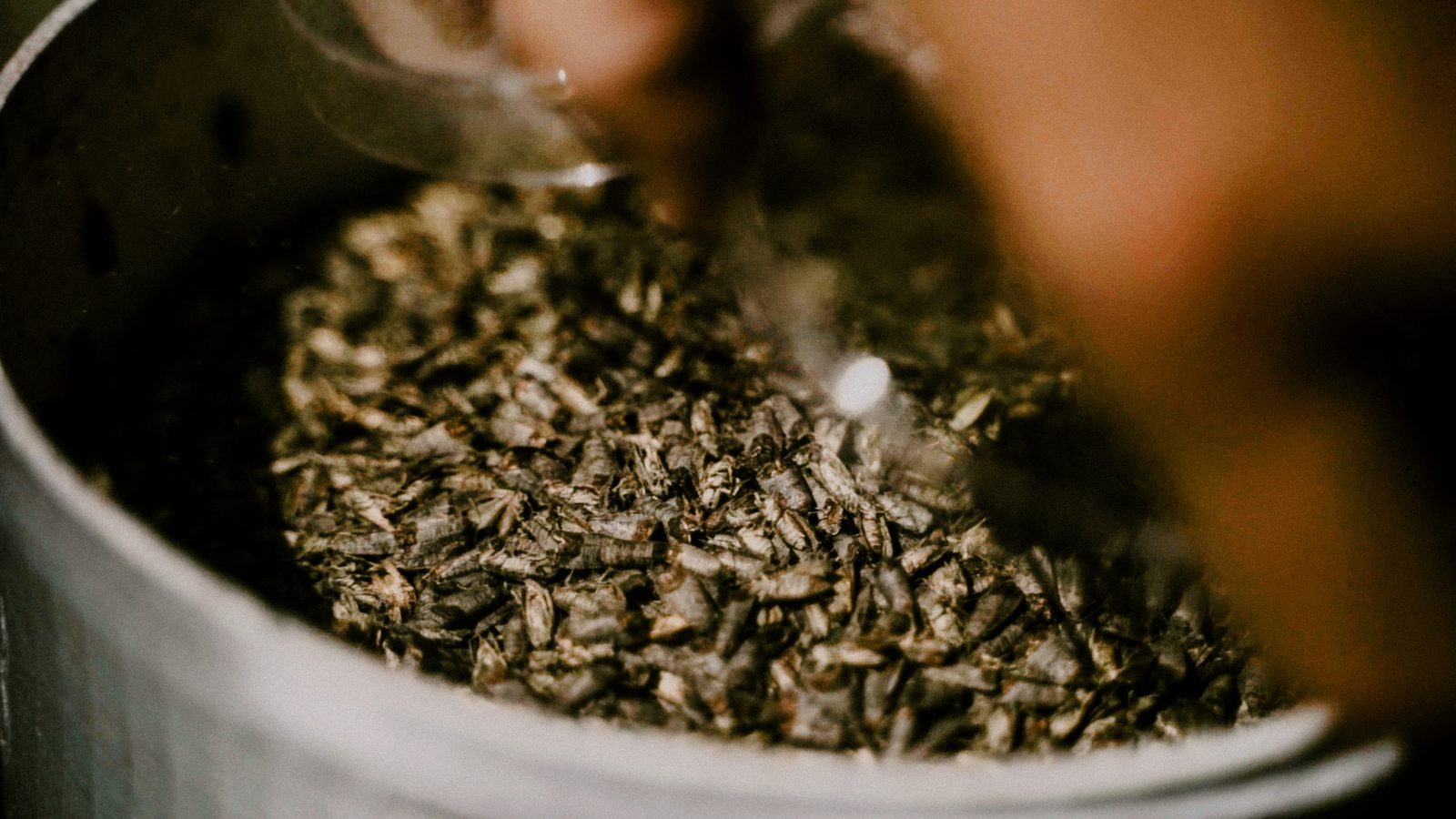
20 weekly drone releases over your orchards.
Releases run weekly across the season, timed to the codling moth flights.
- 20 releases a season
- 5-acre minimum
- from $325 per acre per season
Four pests, one technique
Sterile insect technique works through reproduction rather than toxicity, so it is species specific and leaves no residue.
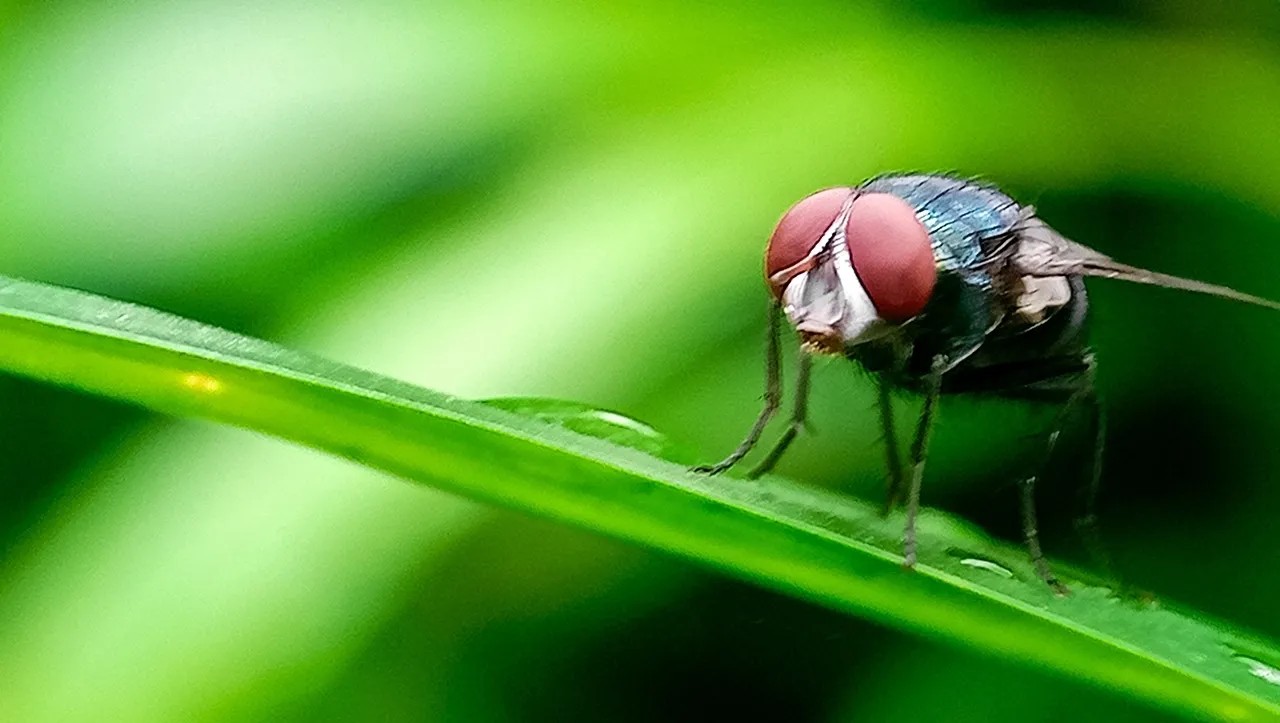
New World screwworm
A historic sterile insect technique success. M3 now deploys modernized modular systems for livestock protection.
The New World screwworm (Cochliomyia hominivorax) is a lethal parasite of livestock and wildlife whose larvae consume living tissue. The sterile insect technique eradicated it from North America decades ago. M3's modular X-ray sterilization systems can be operational within weeks, with no chemicals and no isotopes.
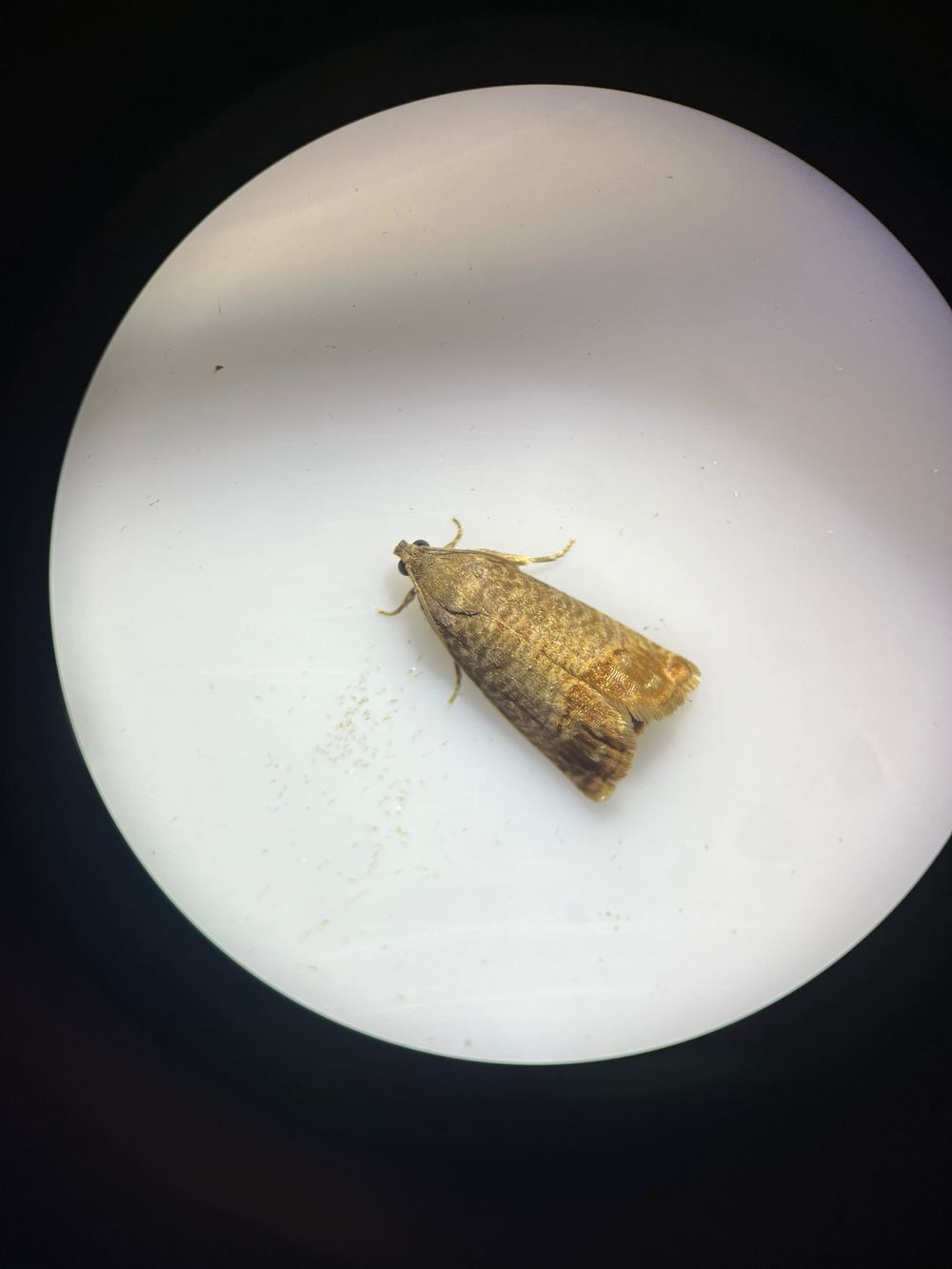
Codling moth
Sterile moths released into orchards disrupt the reproduction cycle and reduce reliance on pesticides.
Codling moth is a major pest of apples, pears, and walnuts worldwide. Sterile moths mate with wild ones and produce no offspring, so pest numbers decline gradually. The method supports residue-free fruit production.

Navel orangeworm
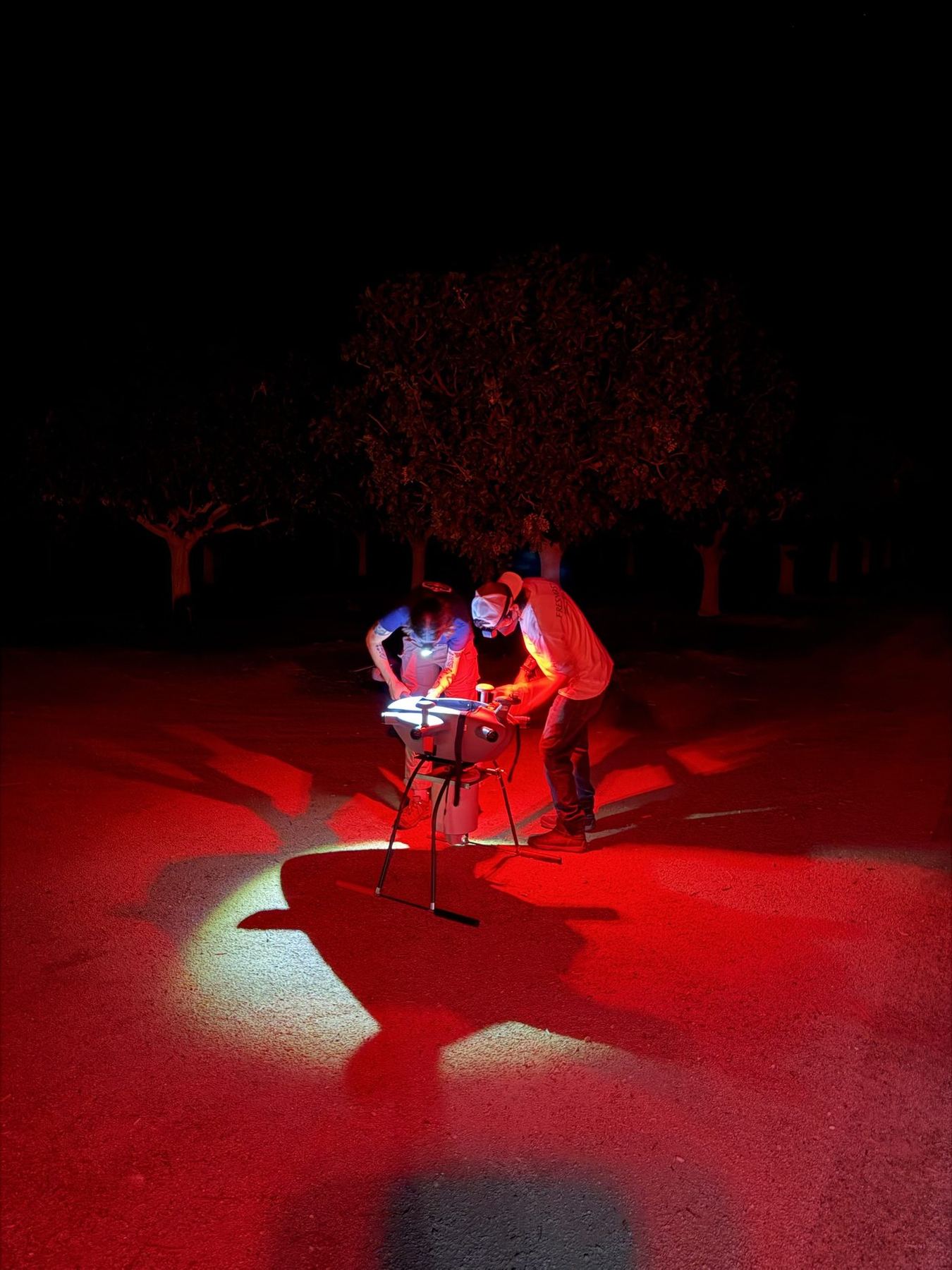
Sterile insect release for nut crops, flown at night when the moths fly: almonds and pistachios protected without added chemistry.
Navel orangeworm damages almonds, pistachios, and walnuts, causing crop loss and quality problems. Sterile moths disrupt its reproductive cycle and lower populations. Growers protect yields and meet export standards without added chemistry.
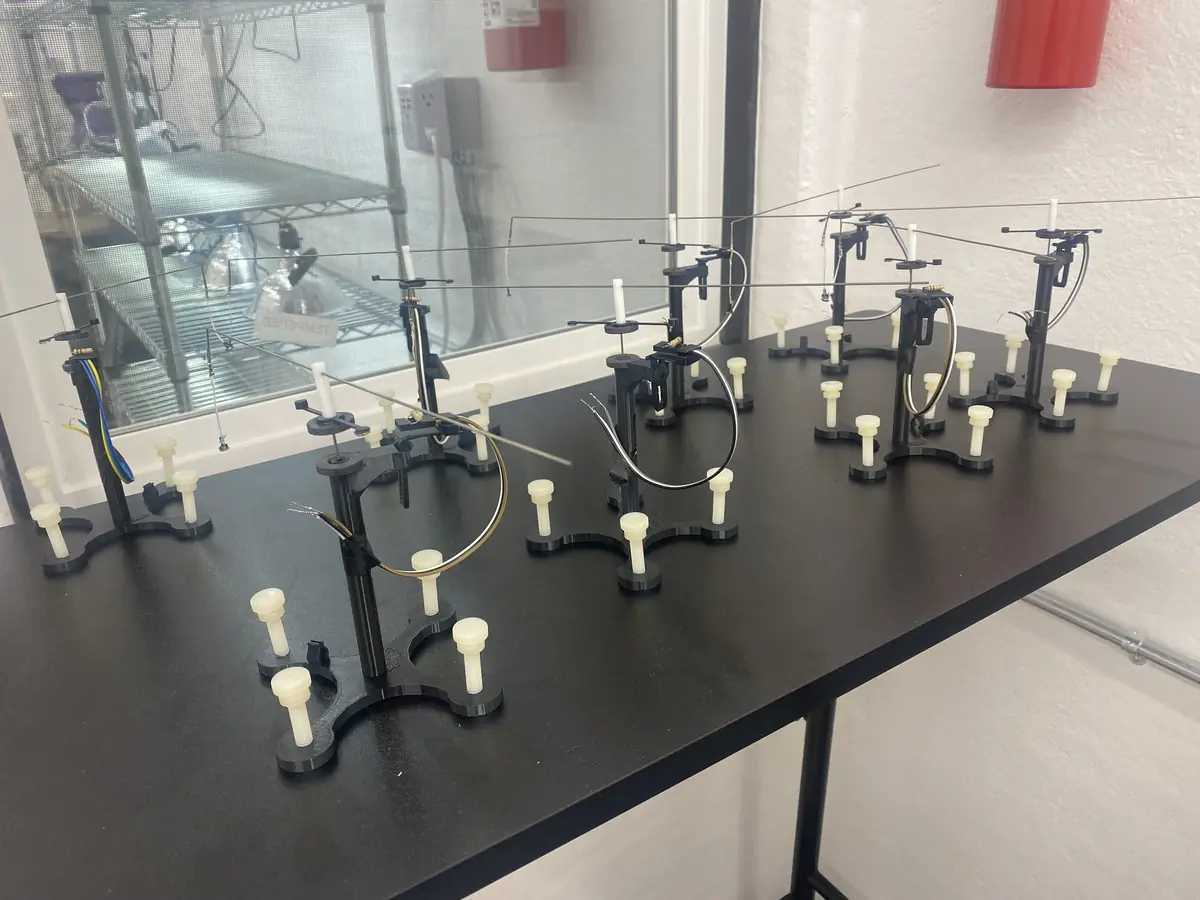
Red palm weevil
Sterile adult releases protect palm crops and landscapes.
Red palm weevil causes extensive damage and tree mortality in palm orchards and landscapes worldwide. Releasing sterile adults breaks its reproductive cycle. The approach protects valuable palm crops and urban landscapes.
Area-wide codling moth suppression, priced per acre.
Drone-released sterile moths meet codling moth wherever it flies.
Why M3
M3 integrates entomology and engineering, in collaboration with USDA and DOE, for biosecurity and agricultural resilience.
M3 is a veteran-owned company established in 2012. It was named USDA APHIS Small Business Contractor of the Year in 2017.
M3 works with federal and state programs and directly with growers and livestock producers. Sterile releases add to the pest management already in place rather than replacing it.