

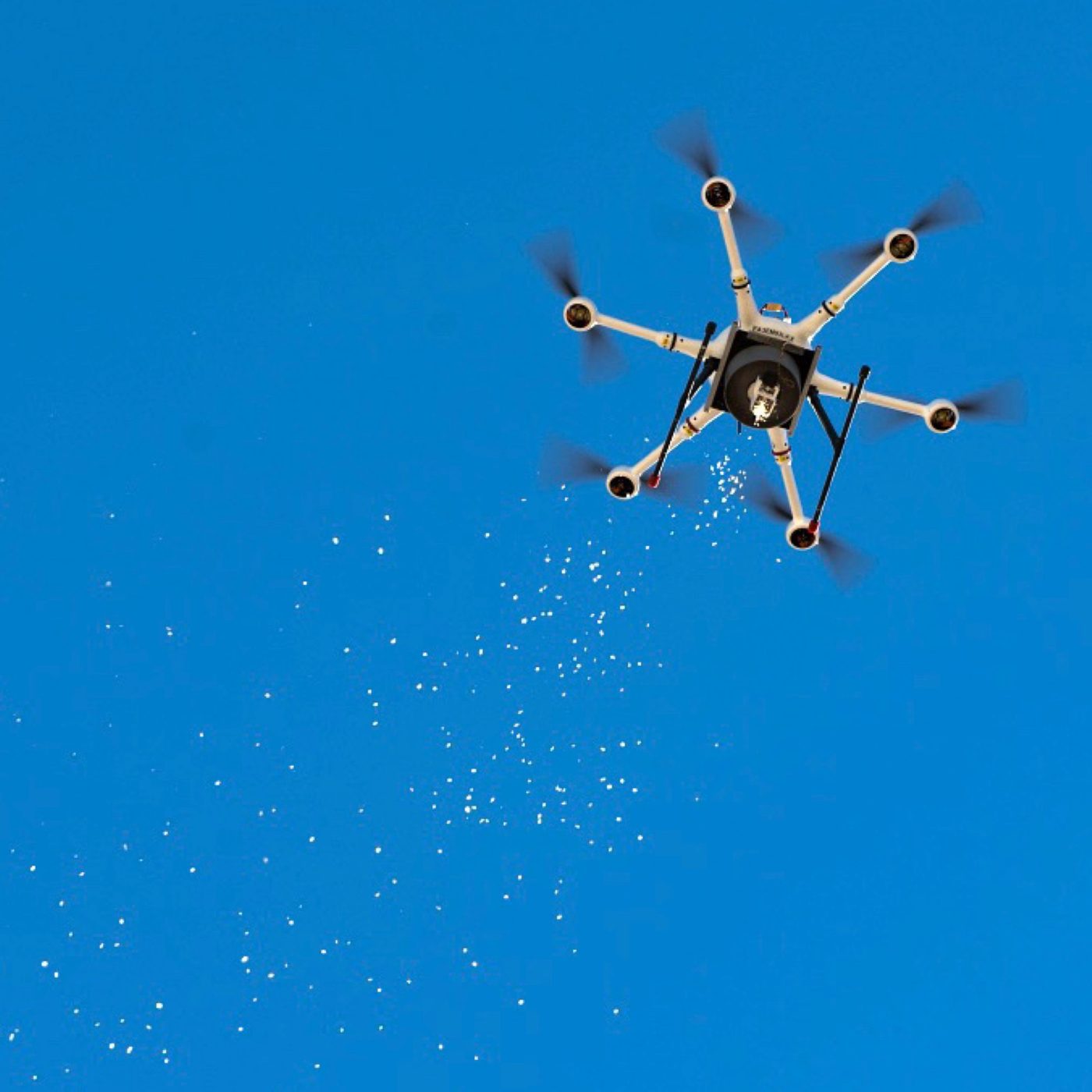
Organic or conventional, low pressure or high.
WE FLY
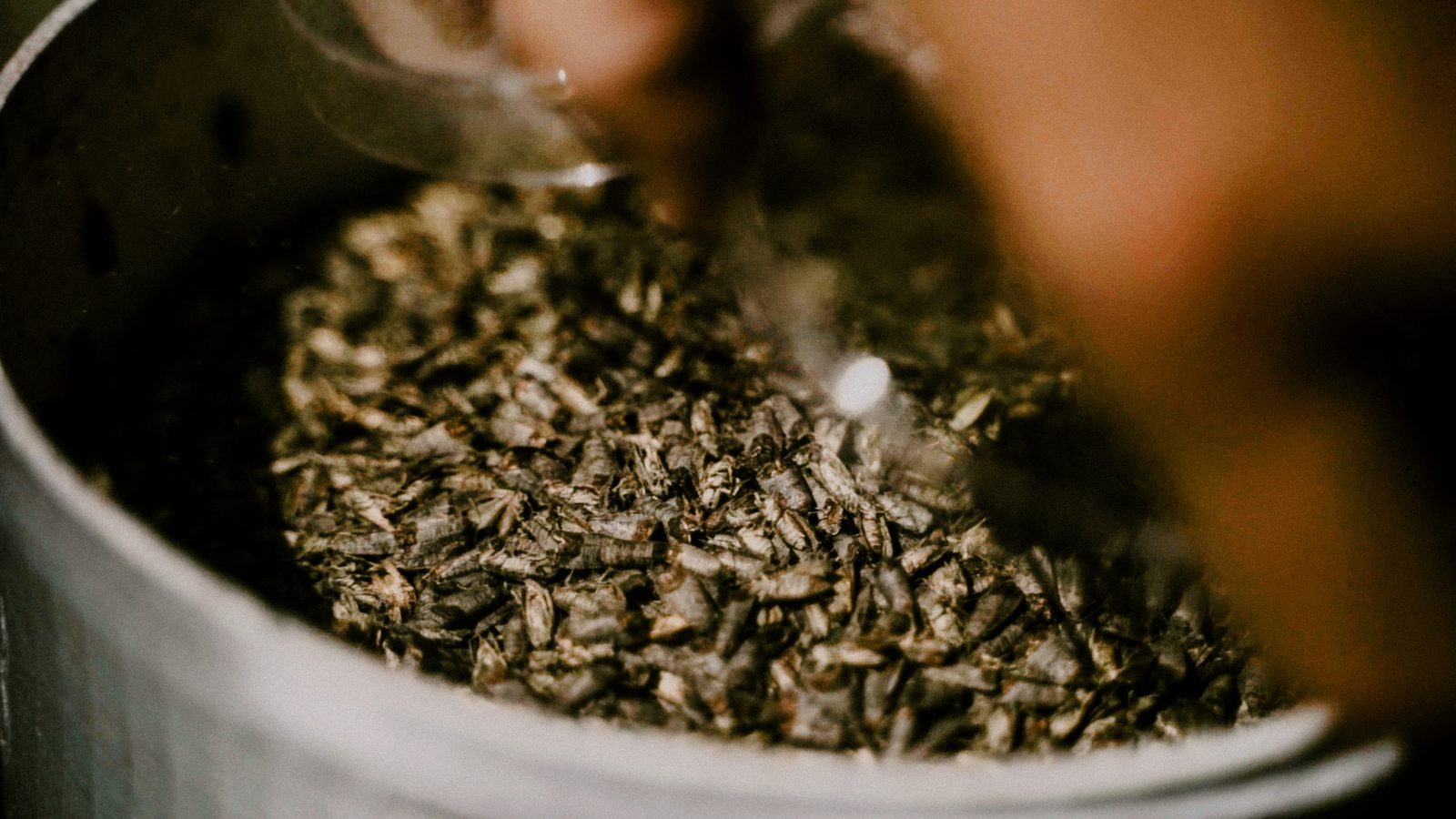
THE MOTHS
“I don’t think it’s expensive.”Denny Hayden, organic grower, Pasco, WA (Good Fruit Grower)
Sources: OKSIR 2025 Season End Results; Nelson et al. 2021, Area-Wide IPM (CRC Press); Good Fruit Grower.
You spray less.
Our sterile codling moths mate with the wild moths in your orchard. The eggs do not hatch. We bring the moths and fly a release every week from late April through early September, turn-key, with no labor or fuel cost to you. Knock down the first generation and keep releasing all season. Every generation after starts smaller.
Proven at scale
Find your block
Organic or conventional, then the pressure your traps show. Each cell is one block’s cost per acre by season, with and without sterile moths.
The more you spray, the faster SIT pays.
Granulovirus breaks down in days. Resistance has turned up in Washington. Wherever you start, sterile moths work the block down to the low-pressure program: about $595 an acre a season.
Mating disruption plus 12 granulovirus and 3 spinosad sprays a season
Paid back in year 3.
Sterile moths at 1X go on top of the full program in year 1. Sprays fall from 15 a season to 10, 6, and 3, then the low-pressure program.
- $2,385
- saved over 5 years
- $595
- a season going forward, $1,205 less than now
Per acre, 2027 prices under 100 acres: granulovirus $100 a pass with tractor time ($115 with oil), spinosad $150, mating disruption $150 a season. Three generations a season. Examples, not a guarantee. Sources: Fan et al. 2022 (Insects); OKSIR 2026.
2027 prices, per acre, full season
Washington and Oregon. 20 weekly releases unless noted. 5-acre minimum. Enter your acres to see the tier and the season total.
| Rate | Moths per acre a week | Under 100 acres | 100 to 1,000 acres | 1,000+ acres |
|---|---|---|---|---|
| 400 | $345 | $335 | $325 | |
| 800 | $455 | $440 | $425 | |
| 1,600 | $675 | $655 | $640 | |
| 2,400 | $895 | $865 | $835 | |
| 800 | $546 | $528 | $510 | |
| 1,600 | $775 | $755 | $735 | |
| 3,200 | $1,215 | $1,175 | $1,135 |
Under 100 acres
Full standard
$455an acre, a season
$18,200 for 40 acres
800 sterile moths per acre a week, about 16,000 per acre over 20 weeks
Sources: OKSIR 2025 Season End Results; Nelson et al. 2021, Area-Wide IPM (CRC Press); Good Fruit Grower.
When sterile moths pay back
The same block, added up year by year: cost with sterile moths against cost without. Move the year to read each season.
Paid back in year 3.
Organic, medium pressure · Change block
- With sterile moths
- $1,205
- Without, every year
- $1,800
- Running difference
- $285saved so far
- Spray passes
- 6
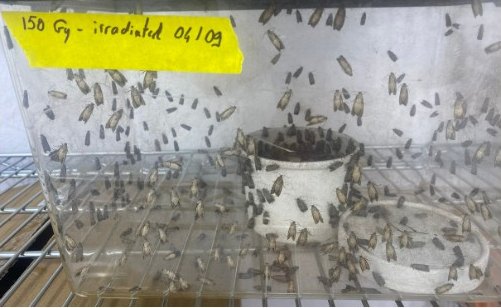

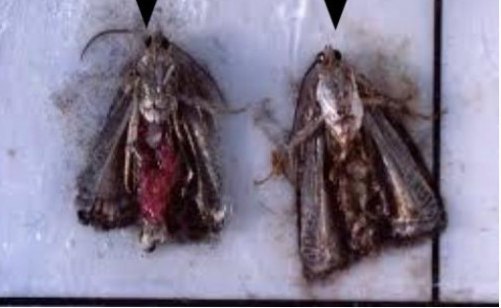
We haul the moths and fly every release.
You supply no labor. Keep traps up and read them as usual, skip mowing right after a release, and tell us when crews are in the block so we can hand-release around them.
Send us your spray records. We’ll show you where SIT pays.
Share acreage, block maps, and your last few seasons of trap counts. We will recommend a rate for every block.
- Acreage and a block map
- Your last few seasons of trap counts
- Your current spray program