

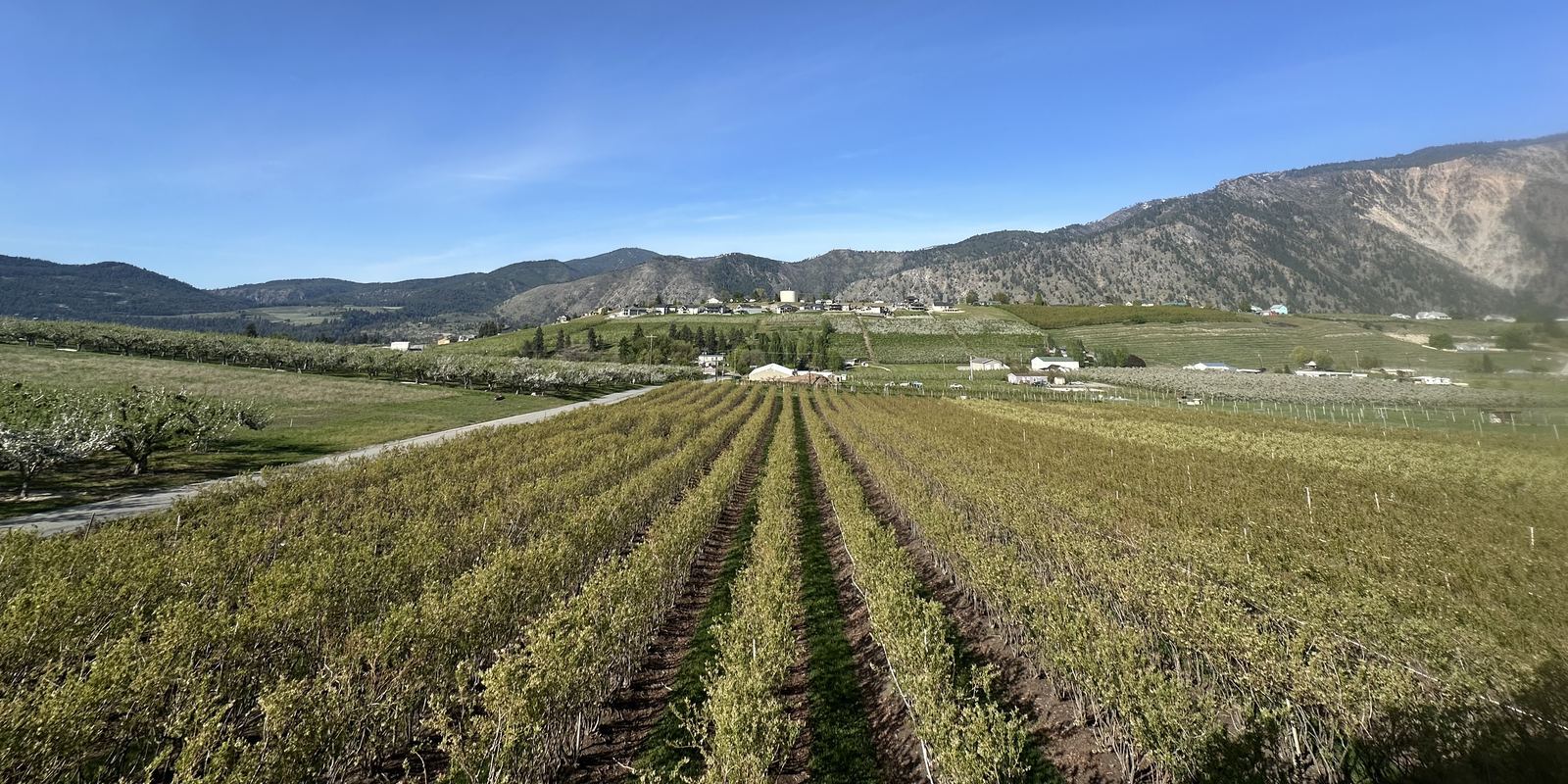
Drone-released sterile moths meet codling moth wherever it flies.
STERILE
RELEASE
Area-wide codling moth suppression, priced per acre.
Drone-delivered sterile insect release for Washington orchards. Turn-key, weekly, area-wide.
Per acre, per season
2027 rates for Washington and Oregon. 20 full-service releases over a 20-week season. 5-acre minimum. Bulk pricing above 100 acres.
-
Half rate
400 sterile moths per acre per week
$345per acre, per season
Under 100 acres
- 100 to 1,000 acres
- $335
- 1,000+ acres
- $325
The maintenance rate once SIR performance is established.
- Standard rate
Full rate
800 sterile moths per acre per week
$455per acre, per season
Under 100 acres
- 100 to 1,000 acres
- $440
- 1,000+ acres
- $425
Suits low to medium pest pressure.
-
Double rate
1,600 sterile moths per acre per week
$675per acre, per season
Under 100 acres
- 100 to 1,000 acres
- $655
- 1,000+ acres
- $640
Suits medium to high pressure or hotspot blocks.
-
Triple rate
2,400 sterile moths per acre per week
$895per acre, per season
Under 100 acres
- 100 to 1,000 acres
- $865
- 1,000+ acres
- $835
Every rate includes quality-controlled sterile moths and the drone release flown by our crews. Turn-key: no extra labor, tractors, or specialized equipment.
Thirty years of results in British Columbia.
The Okanagan-Kootenay Sterile Insect Release program has run area-wide sterile insect release since the 1990s. Wild captures are down more than 92 percent and pesticide use down 88 to 97 percent since 1991.
Every release uses sterile moths tested for flight performance, emergence rates, and mating competitiveness, so only moths that meet quality thresholds reach an orchard.
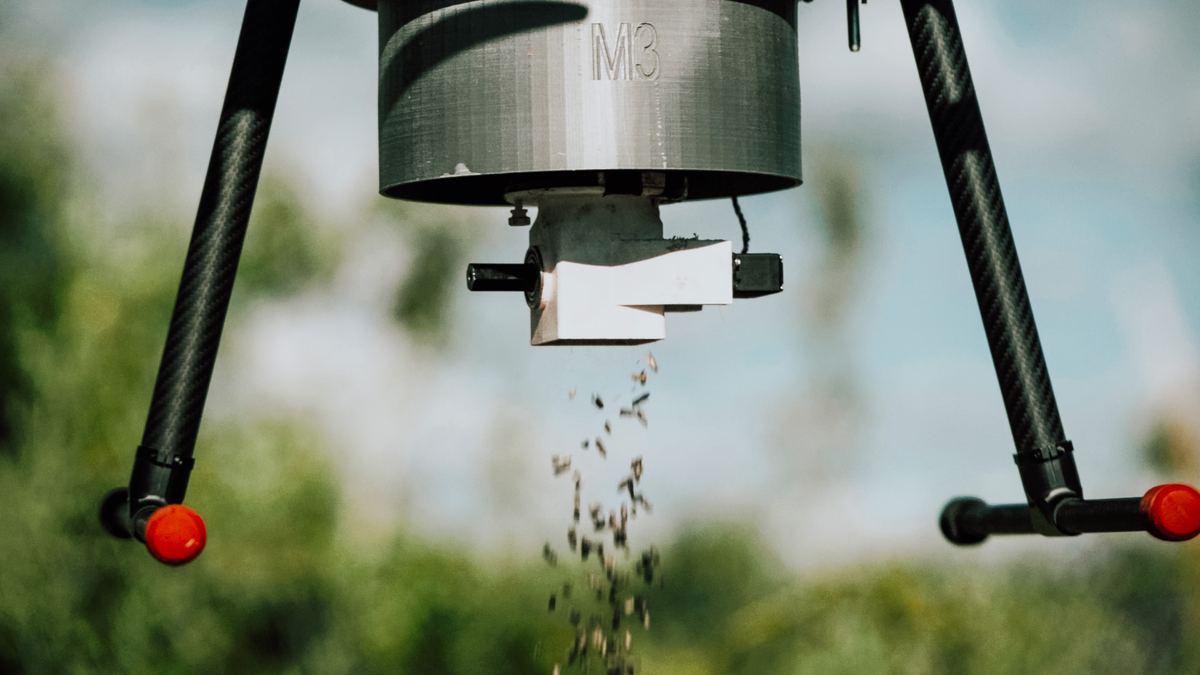
Weekly releases, season-long control
Sterile moths seek out the wild ones rather than waiting for them. It works best when adjoining orchards go in together.
A first generation flies May into June, a larger second overlaps it through August, and a variable third follows. Releases repeat weekly for as long as adults are flying, about 20 releases across a season.
Sterile insect release is a layer on top of your existing integrated pest management program. Fruit damage assessment is the definitive measure of success.
Turn-key codling moth management
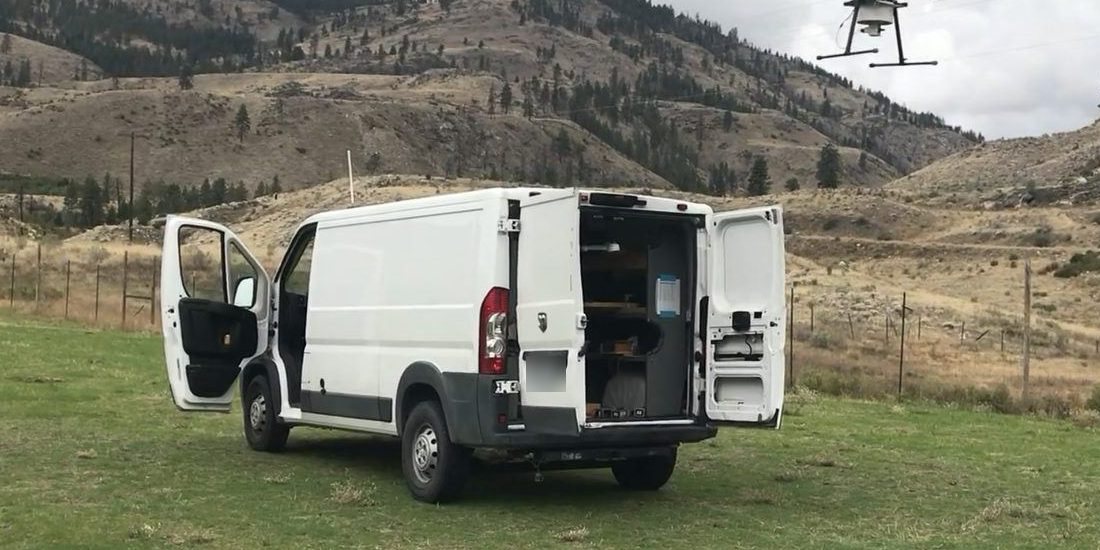
Logistics: on-site delivery
M3 Van
Vans carry the sterile moths and the drones to each orchard.
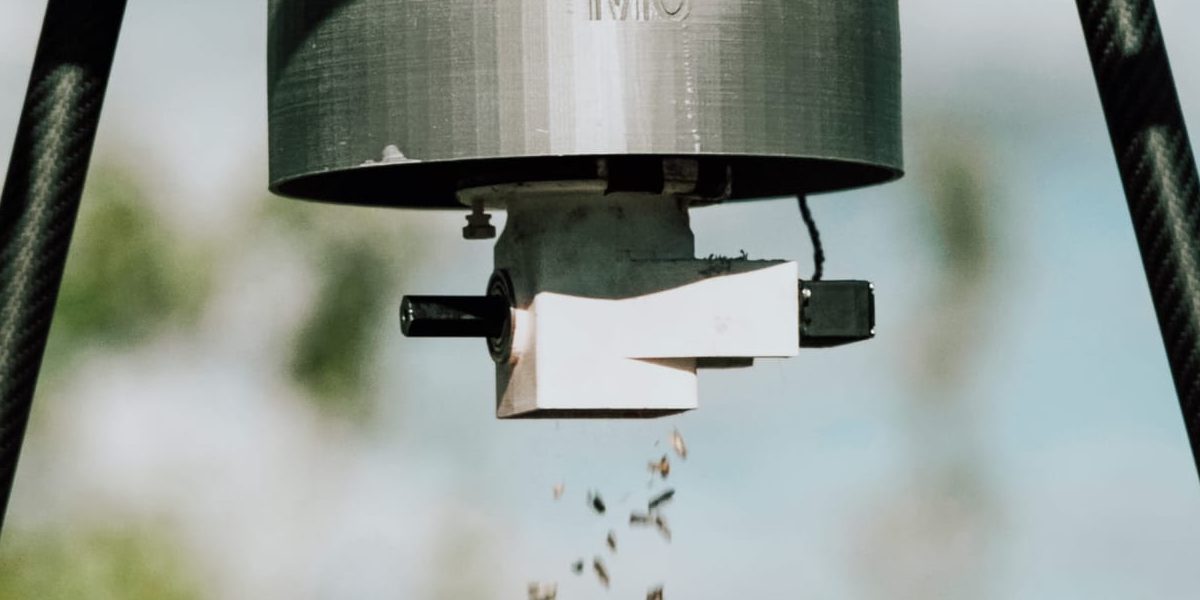
Release: drone
40 to 70%
More moths recaptured by drone than by ground release
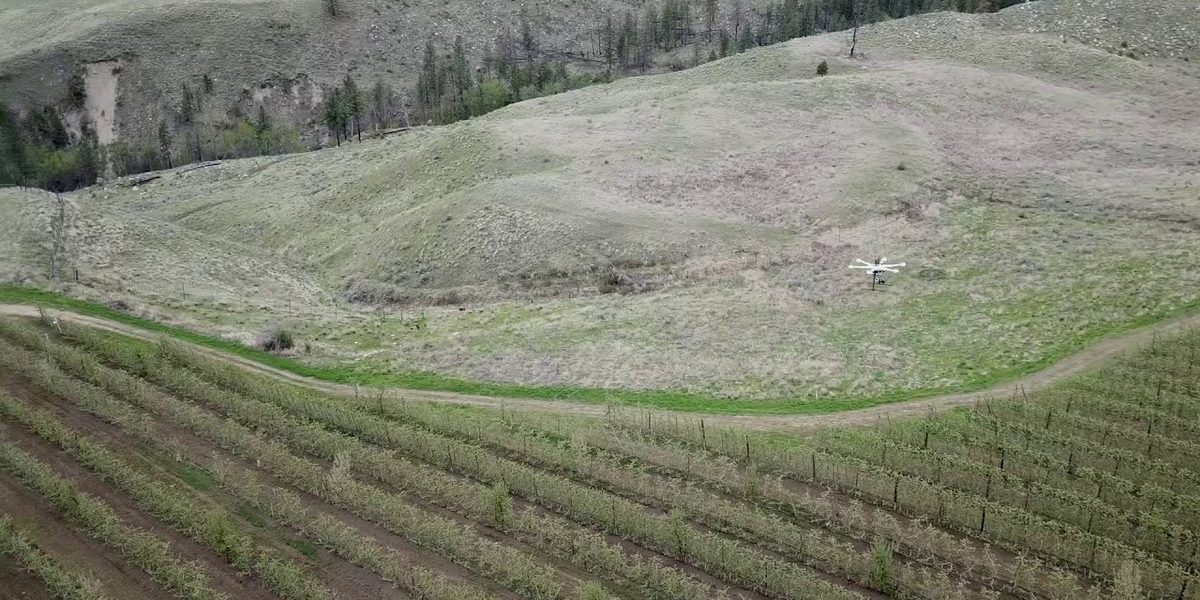
Service: turn-key
20 weekly releases
From late April, timed by degree-day accumulation
M3 handles
- The cold chain
- Every release flight
- Program design
- Monitoring support
You handle
- Your traps
- Damage records
- IPM program
“In three to five years SIT is paying for itself.”Teah Smith, Zirkle Fruit Company
“Since then, we have really been very clean. This year, I might have seen a couple stings all season in 125 acres.”Denny Hayden, Hayden Farms, Pasco
“I saw an improvement and will be looking to expand. You make it easy.”John Freese, grower, Okanogan County. One year of SIT on a 30-acre block
Get a quote
Tell us the block, the acreage, and last season’s trap counts. The first conversation assesses fit; it is not a sales call.
- Last season’s harvest damage data
- Prior-season trap count records
- A block map or acreage breakdown
- Your current spray program