

How sterile flies are made with X-rays instead of cobalt-60, and who can help put the capacity in the field.
STERILE
FLY
How SIT works on screwworm
A female screwworm mates once in her life. If a female mates with a sterile male, then no offspring are produced. SIT leverages screwworm’s biology to eradicate the species over time.
Female. Drawn to open wounds and mucosal openings on livestock and wildlife.
Eggs laid. 100 to 300 per shingle-like clutch at the wound edge. 2,000 to 3,000 over her life.
Hatch. 12 to 24 hours, about 20 on average, among the fastest of any livestock pest.
Penetrate. Larvae enter living tissue at once. The screwworm cannot develop in dead tissue.
Feed. Dense aggregations cause escalating myiasis over 5 to 7 days. Untreated cases are fatal.
Pupate. Mature larvae drop to the soil for 7 to 54 days, depending on temperature.
Adult. Flies emerge and disperse. A population can double in one to two months and push its range 1.2 to 1.9 km a day.
Mate. Once, and the cycle restarts. A sterile mate breaks it here.
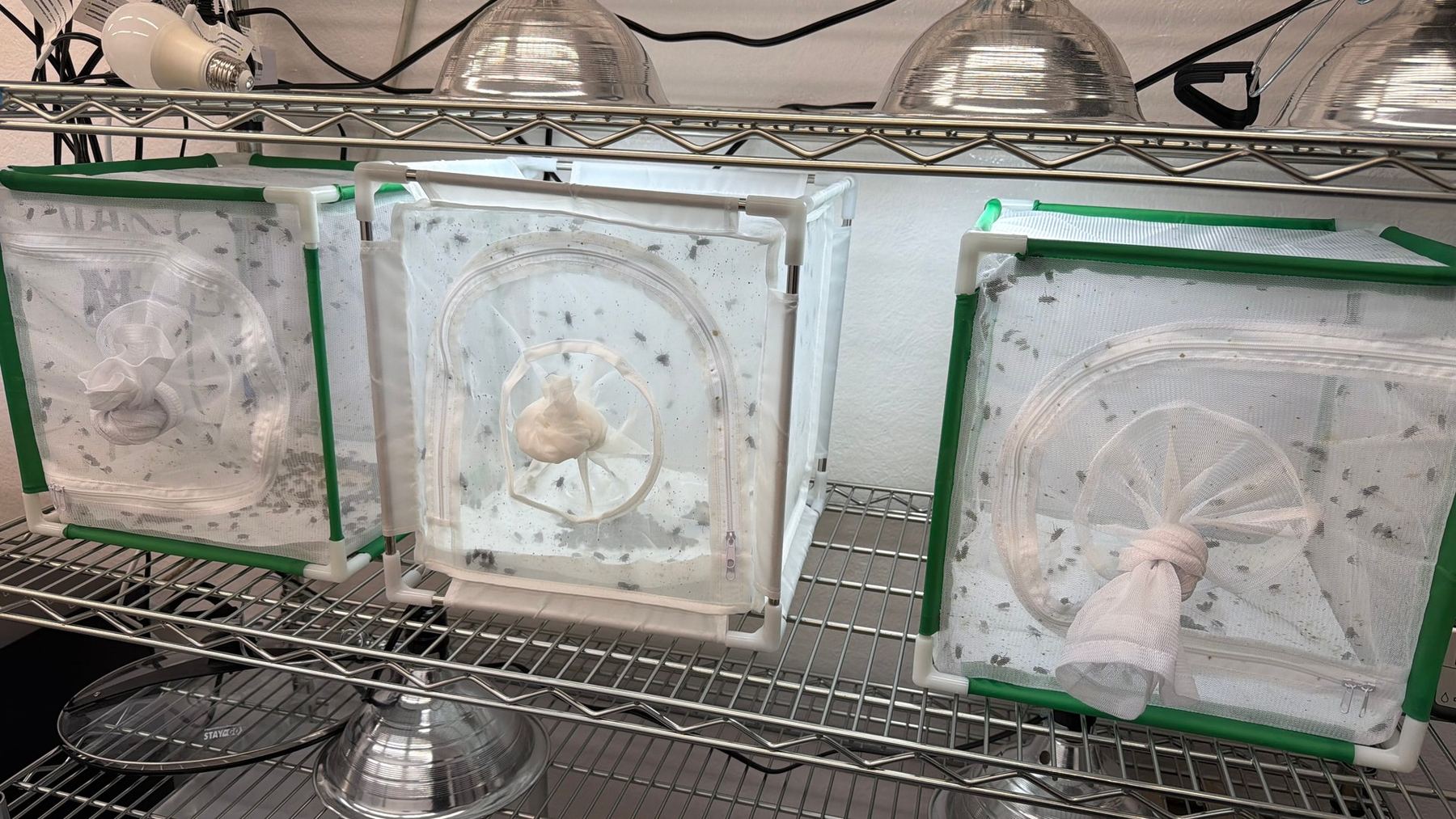
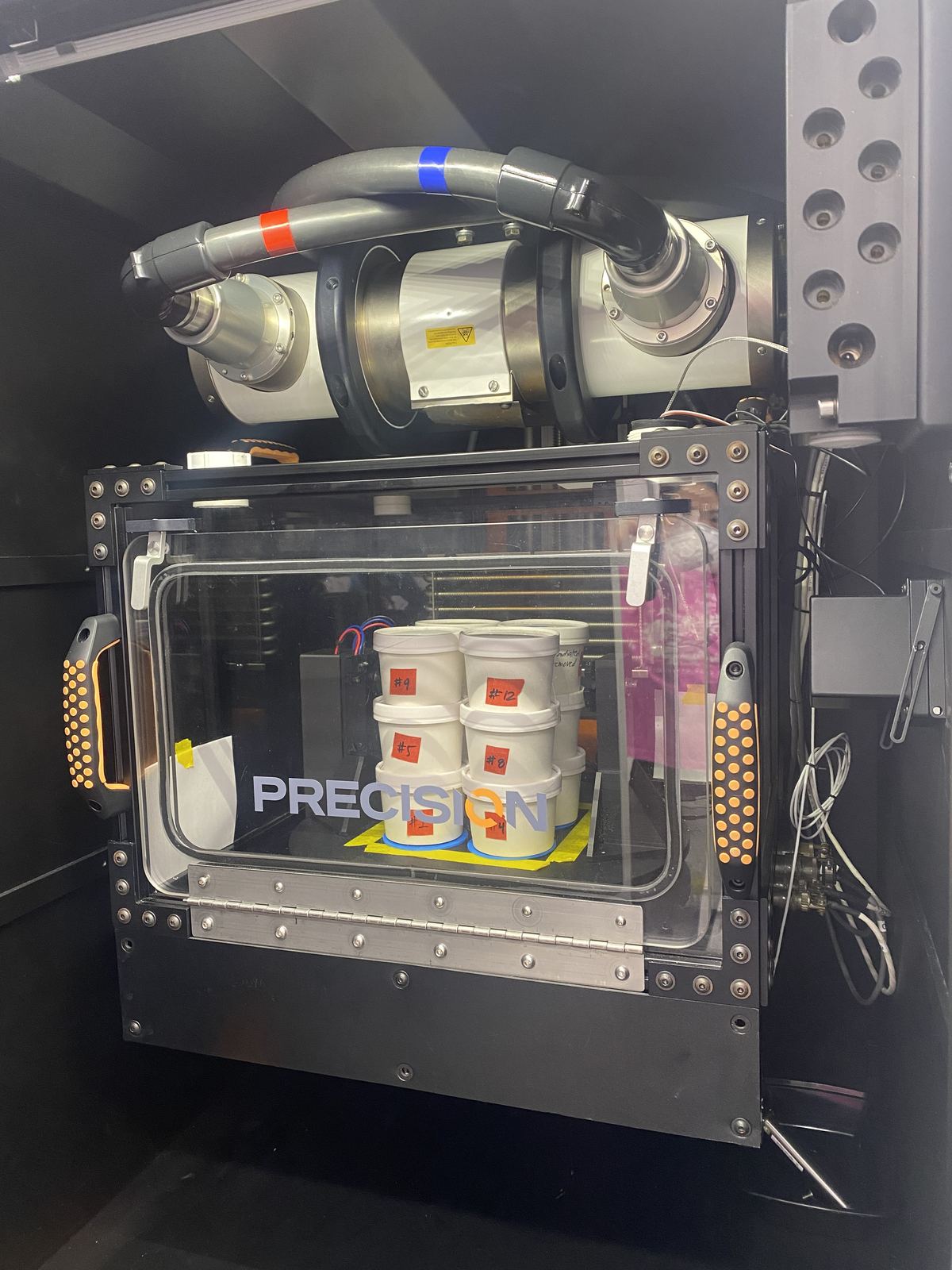
How a sterile fly is made
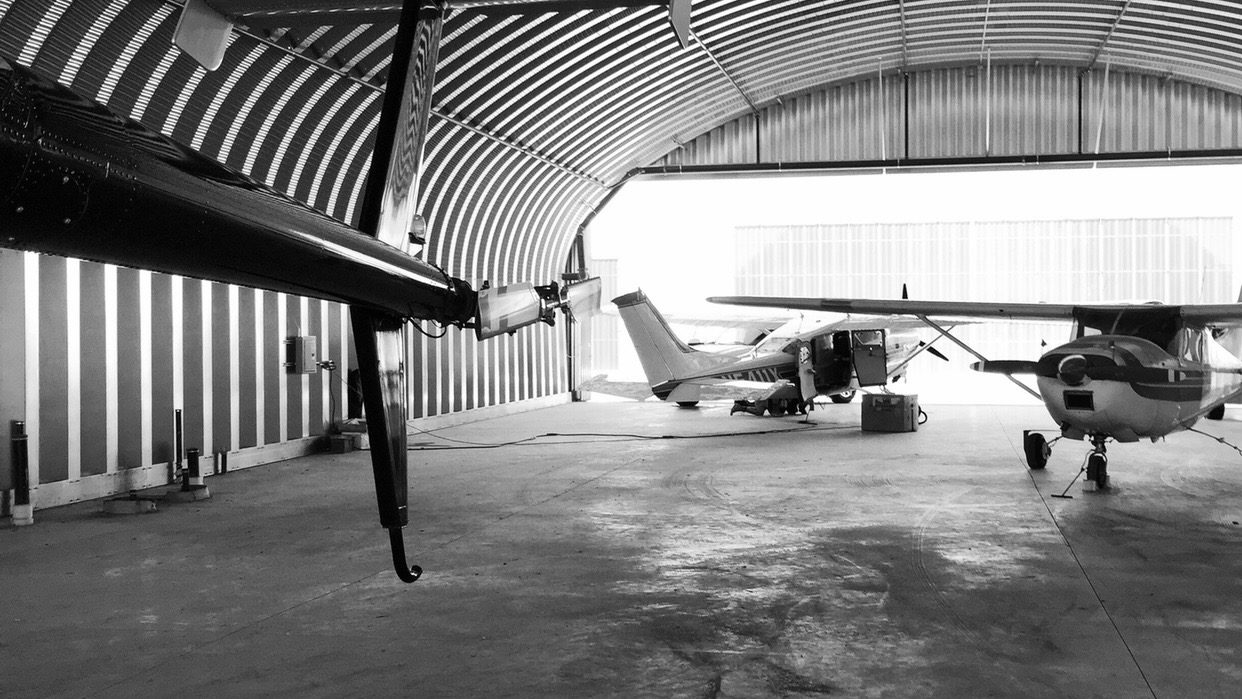
The method that cleared the screwworm from the United States in 1966 is the method that clears it again. Three steps, each behind a quality gate.
From cobalt-60 to X-ray
In 1951 and 1953 Bushland and Hopkins showed that X-rays and gamma rays give screwworm flies the same sterility and mating competitiveness. Cobalt-60 then won on cost for 70 years.
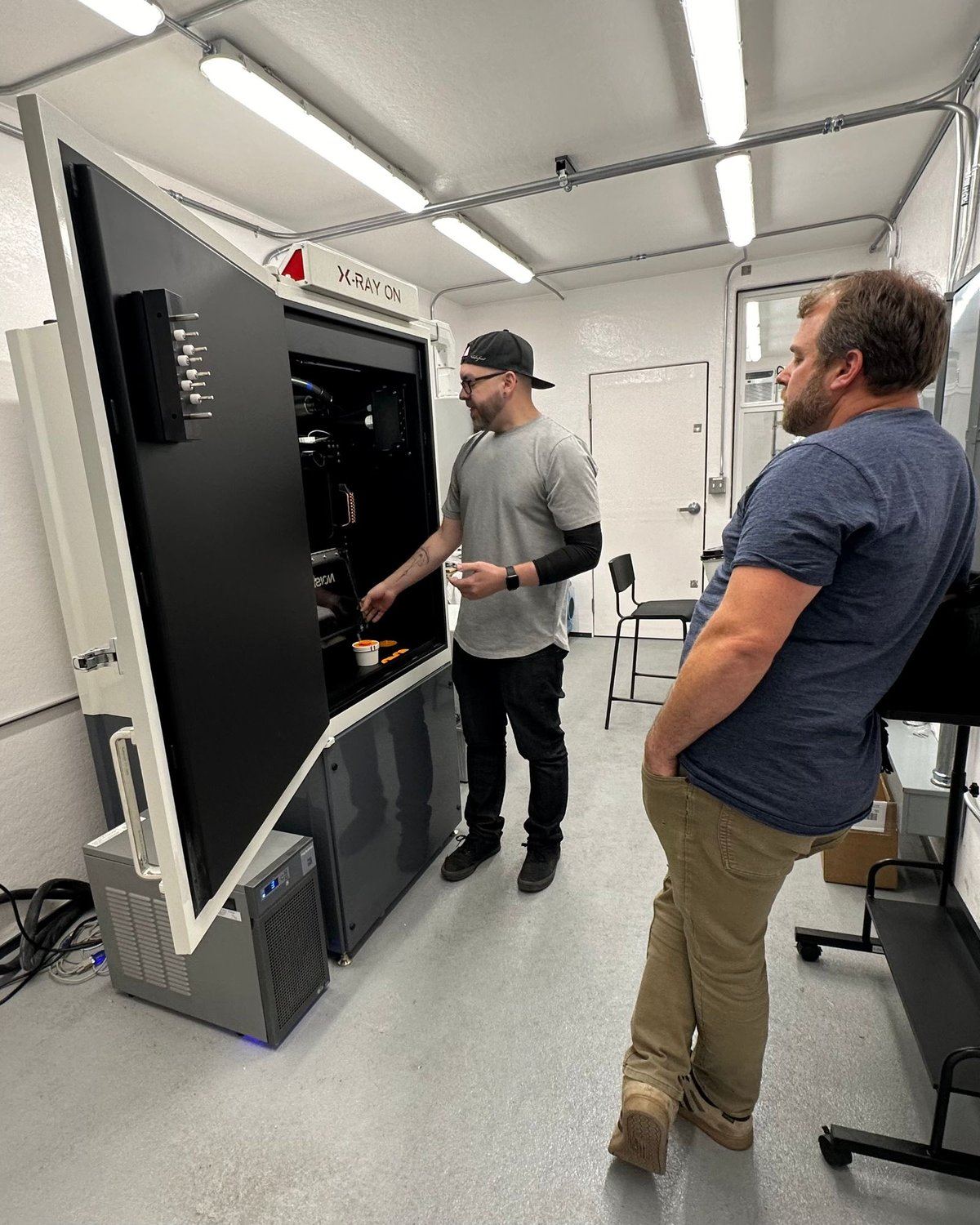
The reasons to switch back are everything around the machine. A cobalt-60 source decays with a half-life of 5.27 years, is licensed, guarded, shielded, and shipped under radioactive-material rules, and its supply has tightened since 2022. An X-ray irradiator is inert when switched off, runs on electrical power, and registers with the state radiation program.
Gamma, cobalt-60
- Radioactive source
- Yes
- Decays, needs recharge
- Yes, 5.27-year half-life
- Licensing
- Federal license
X-ray SIT
- Radioactive source
- No
- Decays, needs recharge
- No
- Licensing
- State registration
What it takes, and who can help
Modular X-ray capacity reaches the field when the people who carry the risk ask for it. Four groups can move it.
01 Federal programs
USDA APHIS and the New World Screwworm Grand Challenge can contract modular X-ray capacity alongside Moore Air Base and Metapa. The DOE/NNSA Office of Radiological Security can keep backing the move away from radioactive sources.
02 States
Texas, New Mexico, and Arizona can offer host sites and power, move radiation registration quickly, direct emergency funds, and coordinate releases through their state veterinarians.
03 Producers and associations
Cattle, deer, and wildlife groups, and the veterinarians who serve them, can write letters of support, open sites along the front, and report every suspect wound to the state veterinarian.
04 Congress and tribal governments
Appropriations and authorization language that names X-ray sterile insect capacity. Tribal lands and governments as host sites and partners.
Support the plan
One email starts a letter of support, a site conversation, or a program review.
- Write a letter of support for modular X-ray capacity
- Host a module grid near the front
- Add modular capacity to your program