

OUR
RESEARCH
Our Research
Led by Principal Investigator Dr. Marion Le Gall, M3 Agriculture Technologies advances the Sterile Insect Technique (SIT), an environmentally friendly method that suppresses pest populations by releasing sterilized insects.
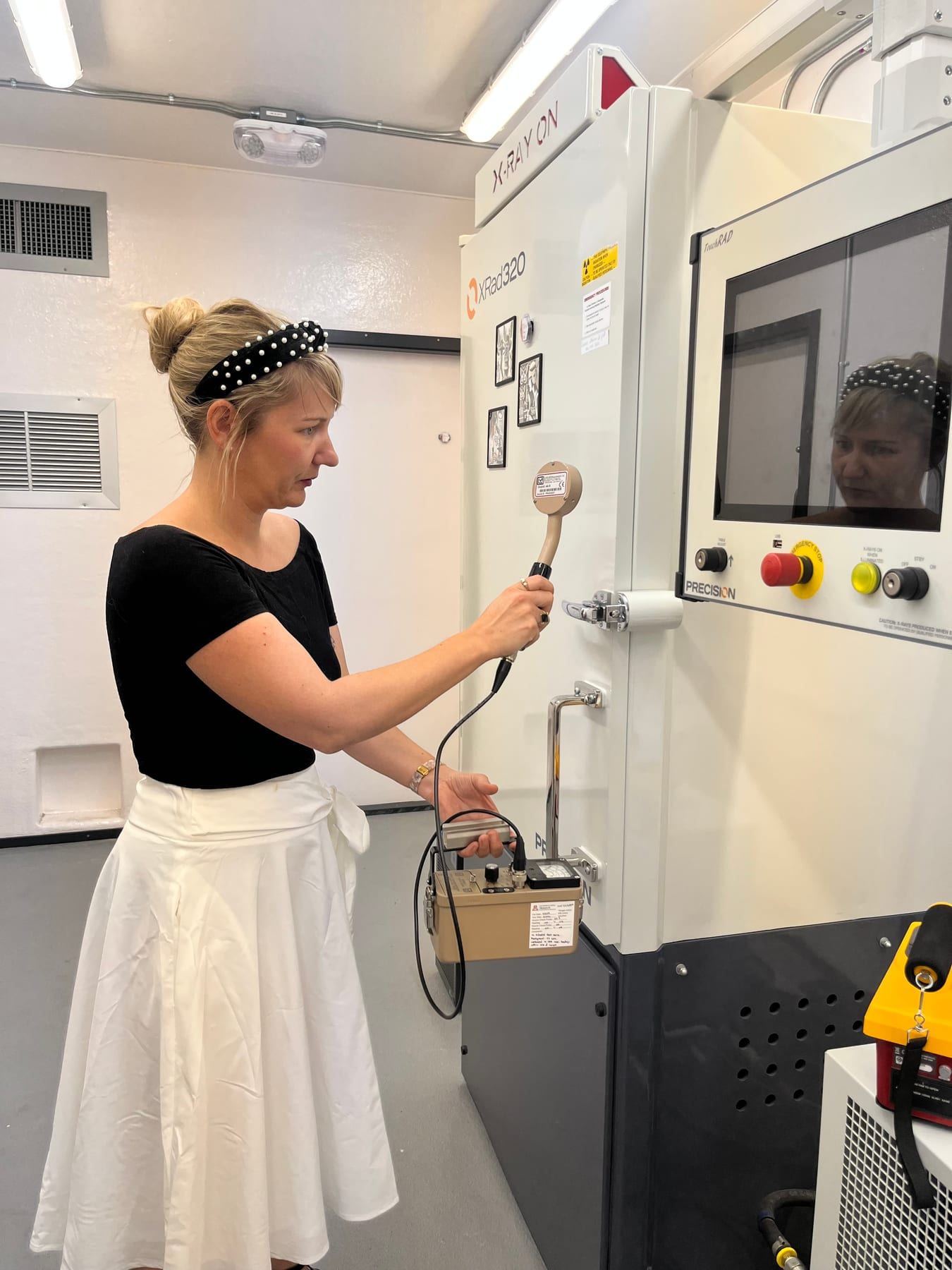
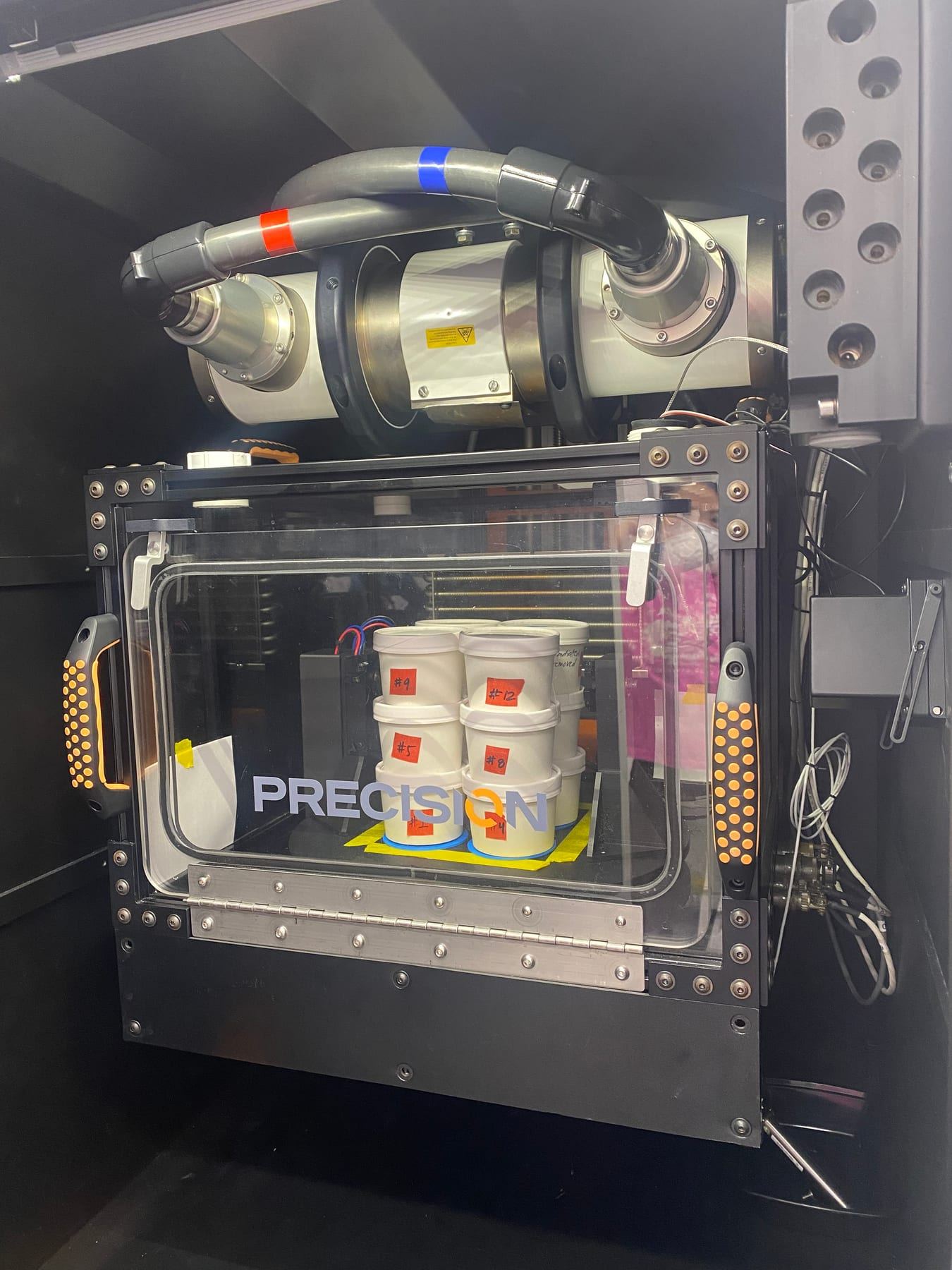
Central to our work is X-ray sterilization, a safer and more accessible alternative to traditional gamma-radiation sources. We combine it with insect nutritional ecology and grower-centered outreach to make SIT effective and practical in the field.
Codling Moth
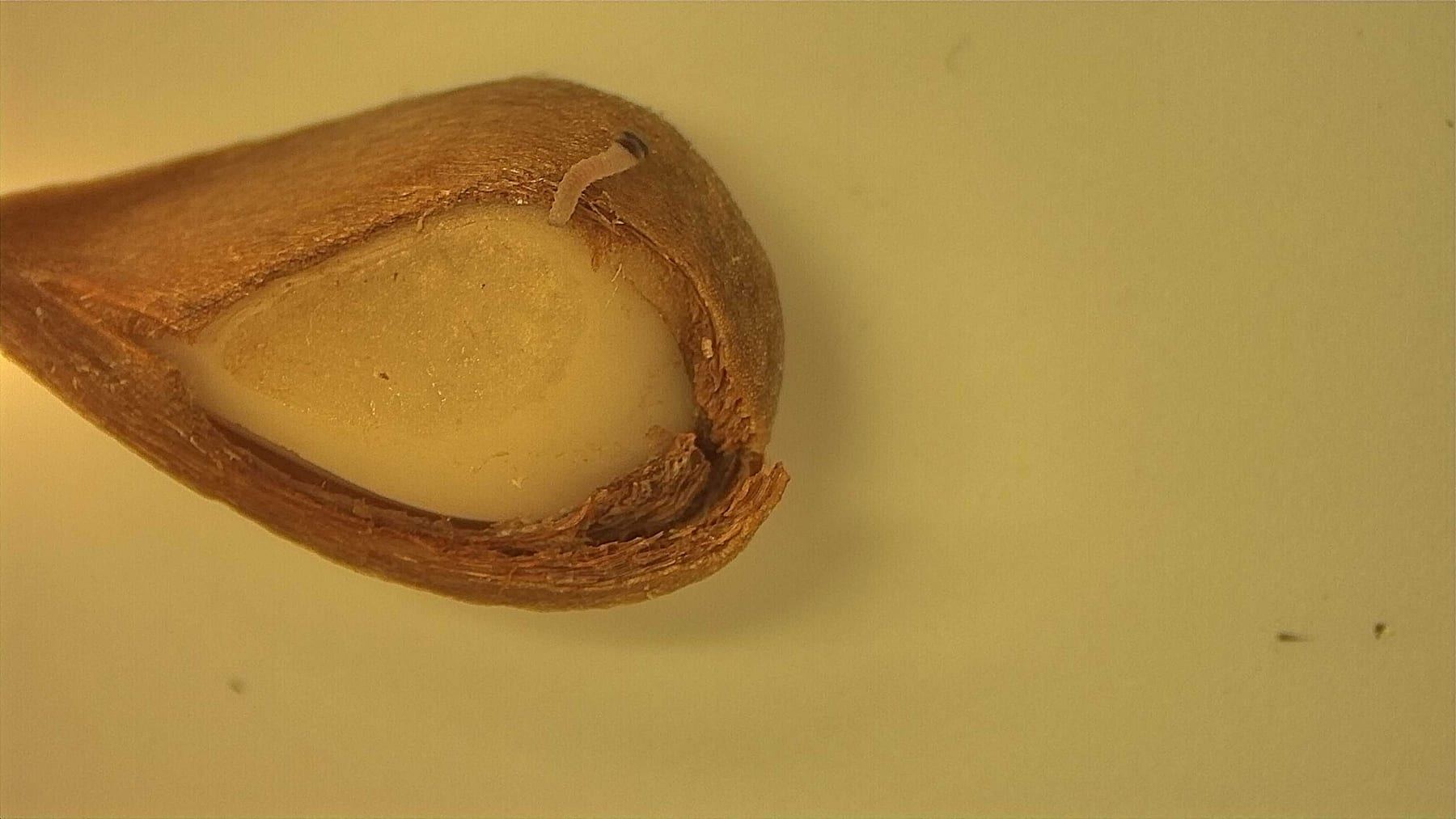
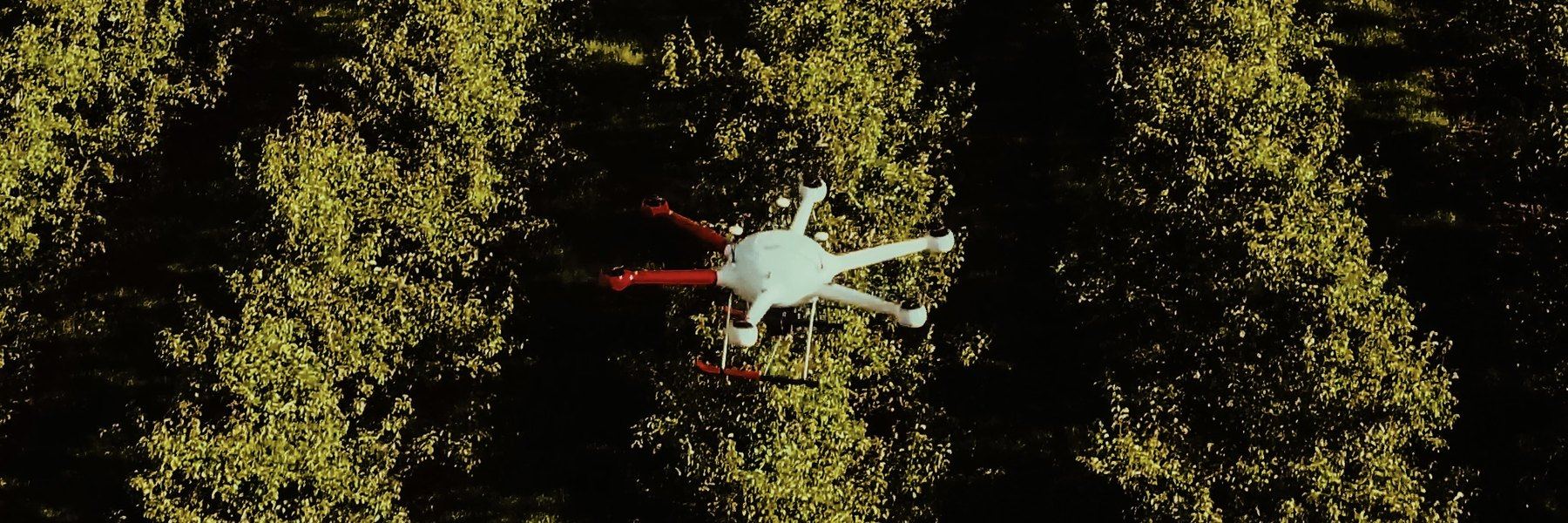
The codling moth is a major pest of apples and pears. Growers face fewer registered insecticides, rising resistance and a changing climate. We provide X-ray SIT with drone release as a residue-free part of integrated pest management, and we study both the insect and the people who manage it.
Rising summer temperatures may affect codling moth in ways that matter for pest control. With support from a 2026 California Department of Food and Agriculture Specialty Crop Block Grant, starting in November 2026, we are studying how sublethal heat exposure affects codling moth development. We will also examine what these effects mean for integrated pest management programs.
M3 is a partner on a newly awarded USDA Plant Protection Act grant with Texas A&M University and Virginia Tech to build a national codling moth SIT outreach program, including educational videos. Dr. Le Gall leads outreach in the Pacific Northwest, including a grower field demonstration in Washington. She also provides technical expertise for outreach materials and supports the Virginia field demonstration and Extension agent training. M3 will conduct live drone release demonstrations at both field days.
Our free six-module online course, SIR School (https://m3agtech.com/sir-school), is for apple and pear growers, pest management consultants and agricultural professionals. It covers SIT history, sterile insect production and release, program monitoring, IPM integration, a live grower panel, and future directions in the field.
Our survey of 76 Virginia apple growers found broad receptiveness to SIT. The main barriers were uncertainty about effectiveness and cost. Growers preferred learning through field demonstrations and Extension personnel, and these findings directly shape our outreach.
Parrella JA, Rice K, Le Gall M. 2026. Understanding apple growers’ perspectives on the sterile insect technique for codling moth (Lepidoptera: Tortricidae) management in Virginia: implications for adoption and outreach. Journal of Economic Entomology 119(2): 758–770.
New World Screwworm
The New World screwworm is a devastating livestock pest.
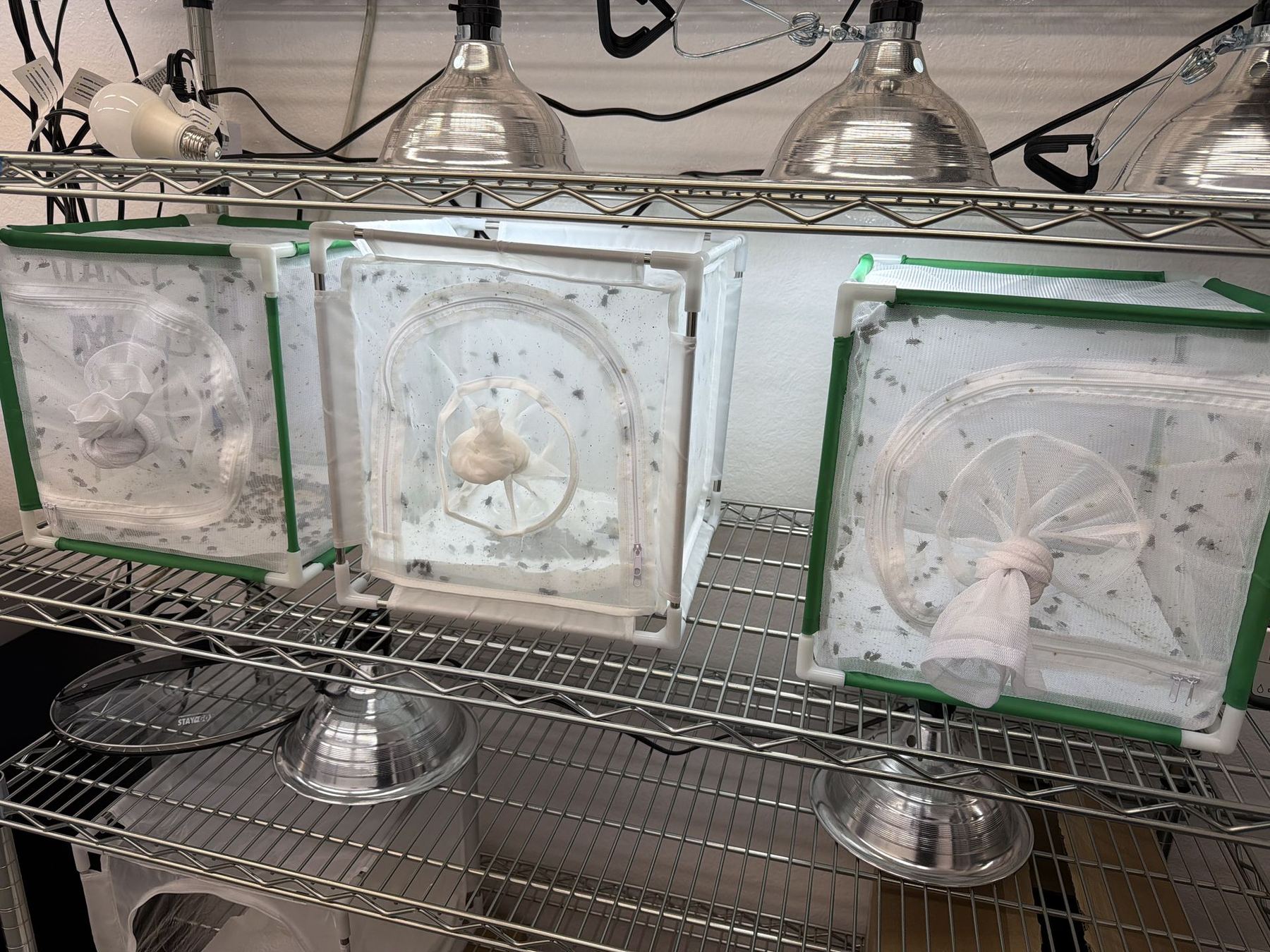
We study its close relative, the secondary screwworm (Cochliomyia macellaria), as a safe laboratory surrogate. Our work includes optimizing X-ray doses for sterility, developing colony rearing protocols and quality-control assays, and testing how larval diet and antioxidants affect the performance of sterile flies.
Lygus Bug
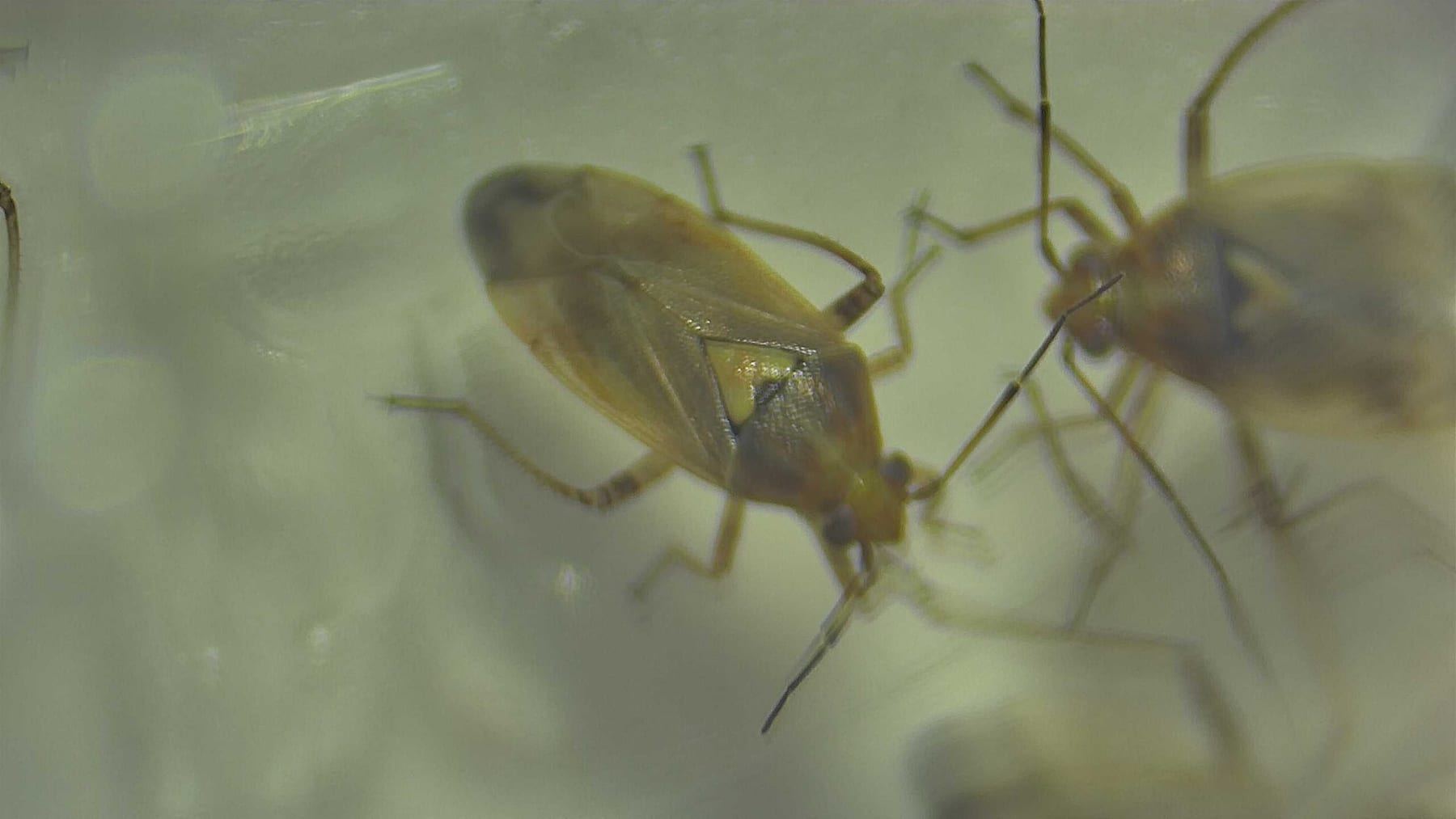
In collaboration with the USDA Agricultural Research Service’s Arid-Land Agricultural Research Center (ALARC) in Maricopa, Arizona, we are developing X-ray sterilization for the western tarnished plant bug (Lygus hesperus), a key pest of cotton, strawberries and other crops.
Our first study, on X-ray-induced sterility and its effects on reproduction, is under review at the Journal of Economic Entomology. We are now testing the sterility of a CRISPR-engineered strain developed by USDA-ARS researchers, whose visible marker could help distinguish released sterile insects from wild ones.
Cross-Cutting Research: Nutrition for Better Sterile Insects
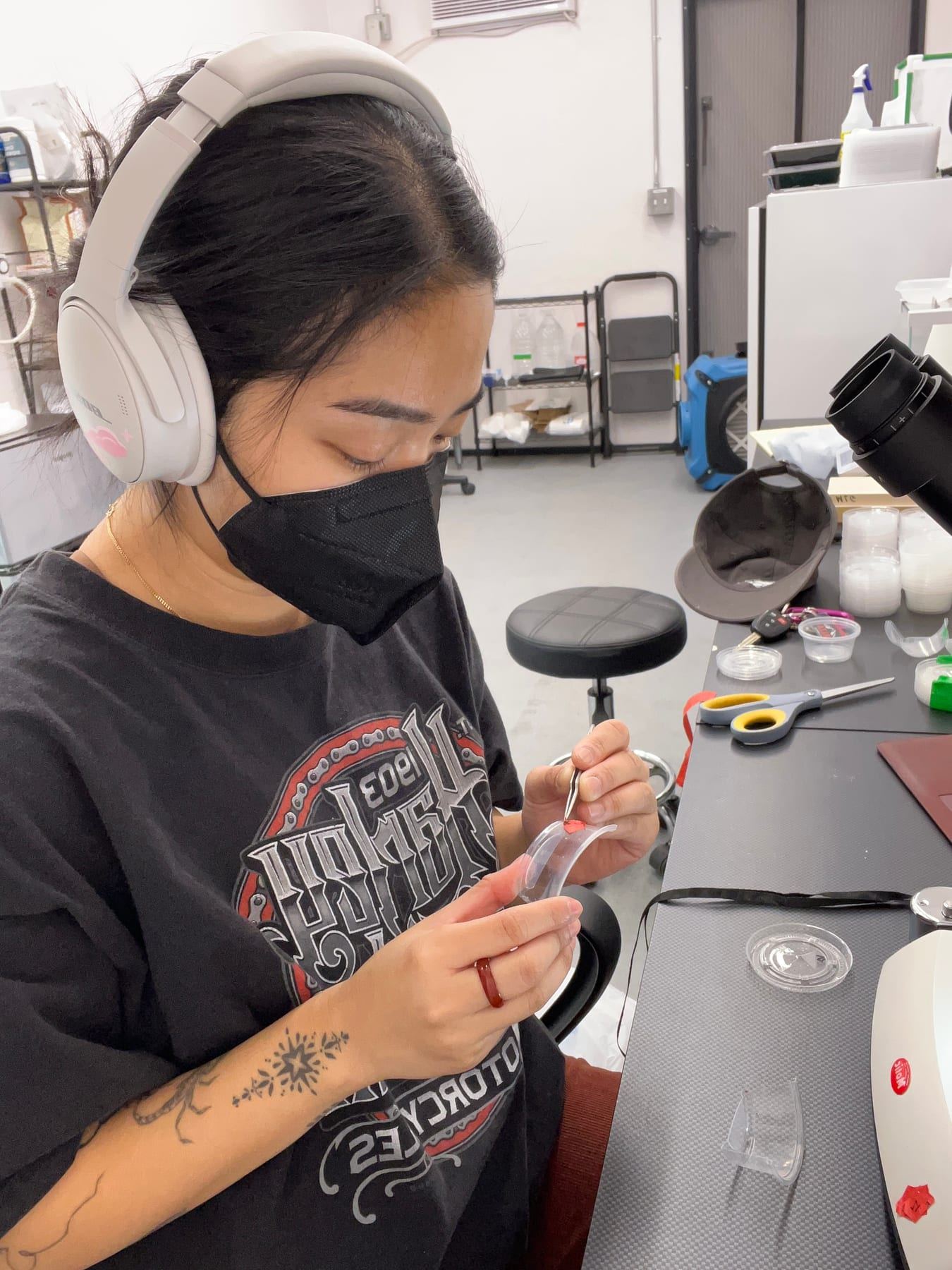
Drawing on the Geometric Framework for Nutrition, we study how the balance of nutrients in insect diets shapes growth, survival and reproduction.
Our blowfly feeding studies refine methods for measuring precisely what insects eat, so mass-rearing diets can produce healthier, more competitive sterile insects.
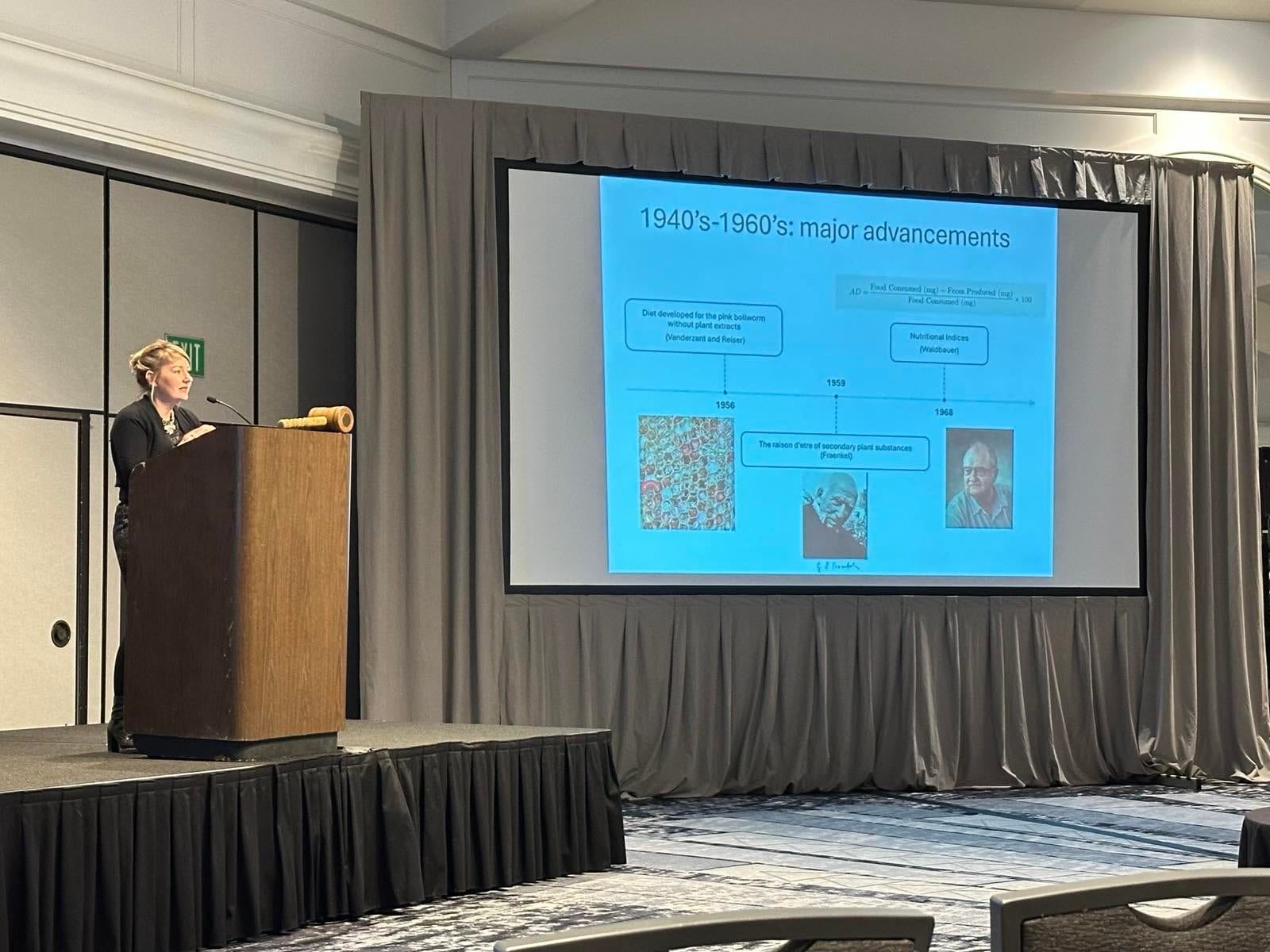
Advancing the Field
Dr. Le Gall is guest-editing a Journal of Economic Entomology special collection, “The Sterile Insect Technique: Innovations, Challenges, and Future Directions.”
She also organizes SIT sessions at national entomology meetings.